The Rise, Fall, And Recovery Of Ring Of Honor
The history of Ring of Honor
.jpg&w=3840&q=75)
Apr 24, 2026

The history of Ring of Honor
Apr 24, 2026
Founded in 2002, Ring of Honor has, despite being revolutionary and incredibly influential on the professional wrestling landscape, often fought an uphill battle to survive. Inside the ring, the promotion has been, at times, unparalleled and helped launch the careers of several legends. ROH was legitimately a distinct and genuine alternative for fans who craved something else.
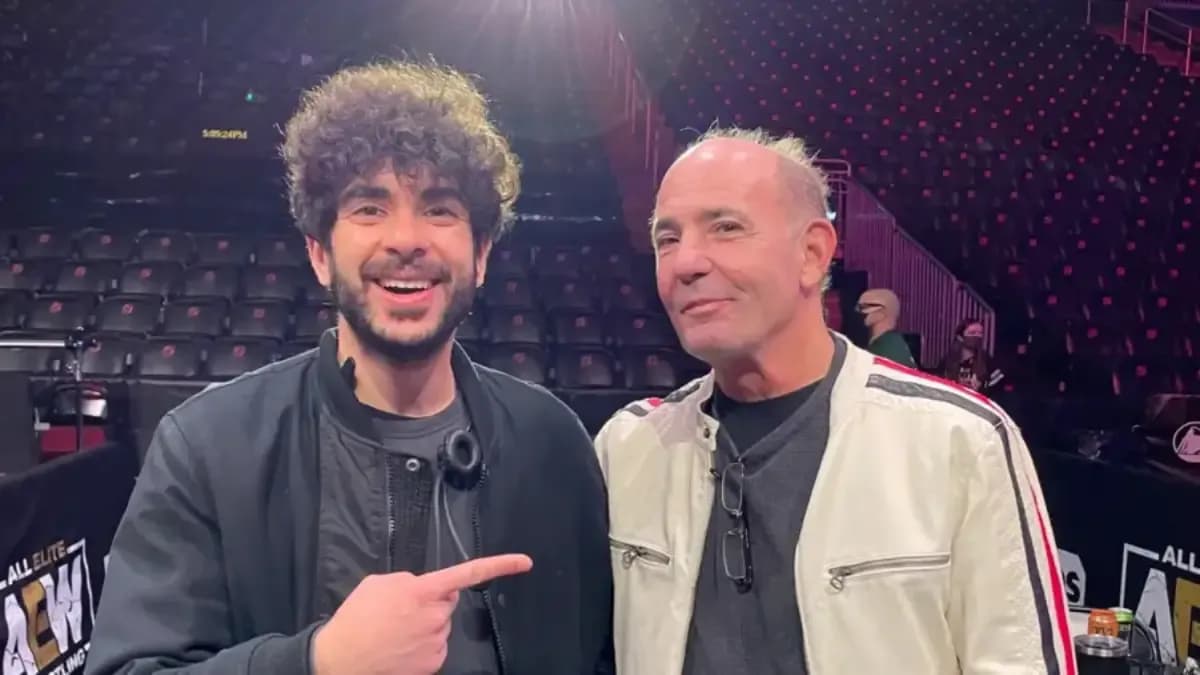
Economically, however, the realities of running a promotion of that size and scope were stark, and the promotion struggled for survival until eventually being bought by Tony Khan in 2022.
Ring of Honor was the brainchild of Rob Feinstein, a longtime Philadelphia wrestling fan who became a known tape trader in the 1990s as the owner of RF Video. Feinstein not only distributed tapes from places like Japan and Mexico and some small US indies, but also worked directly with ECW, filming and releasing ‘Fan Cam’ videos of the company’s house shows. RF Video was also one of the originators of the ‘shoot’ interview that would become so popular in the 2000s.
By mid-2001, though, ECW was out of business along with World Championship Wrestling and the decline of pro wrestling’s popularity affected Feinstein’s once booming business. After watching All Pro Wrestling’s King of the Indies tournament, Feinstein decided - along with Gabe Sapolsky and Doug Gentry - to launch his own promotion, using some of the tournament’s standouts in Christopher Daniels, Brian ‘Spanky’ Kendrick, ‘The American Dragon’ Bryan Danielson, Samoa Joe, Low Ki and Doug Williams, as the new promotion’s backbone.
The shows were budgeted to break even if attendances hovered around 500 people and would take place in Northeast of the United States markets, at least to start with. Though the shows themselves would not likely be big money spinners, at least not initially, RF Video could sell merchandise to those in attendance and then, later on, sell tapes of their own shows online or through mail-order.
Headlined by a blistering three-way between Christopher Daniels, Low Ki and Bryan Danielson, and also featuring an array of up-and-coming indie talent, as well as a rare meeting between Eddie Guerrero and Super Crazy, ROH’s first show – The Era of Honor Begins – took place on February 23, 2002 at Philadelphia’s Murphy Recreational Center.
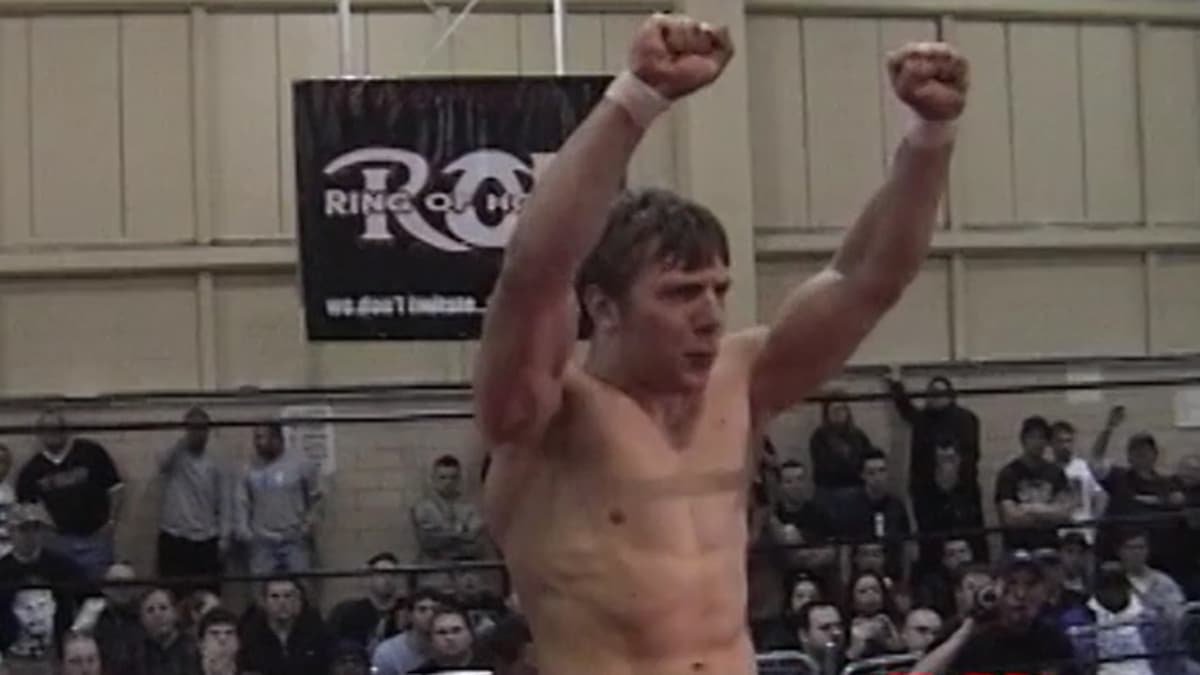
For the next couple of years, Ring of Honor stuck to their business plan of putting on great shows full of young and hungry talent in front of modest crowds. The promotion quickly gained a reputation amongst wrestling fans as a new kid on the block thanks to their markedly different style and ability to discover and nurture the next generation of wrestlers.
In many ways the ‘last of the territories’ in a post-Monday Night War era, Ring of Honor was a breeding ground for performers who wanted to make or otherwise solidify their reputations.
While they often brought in stars of the past like Raven, Ricky Steamboat, and Dusty Rhodes, the company gave opportunities to the likes of CM Punk, Colt Cabana, the Briscoes, Amazing Red, and Paul London, among many more.
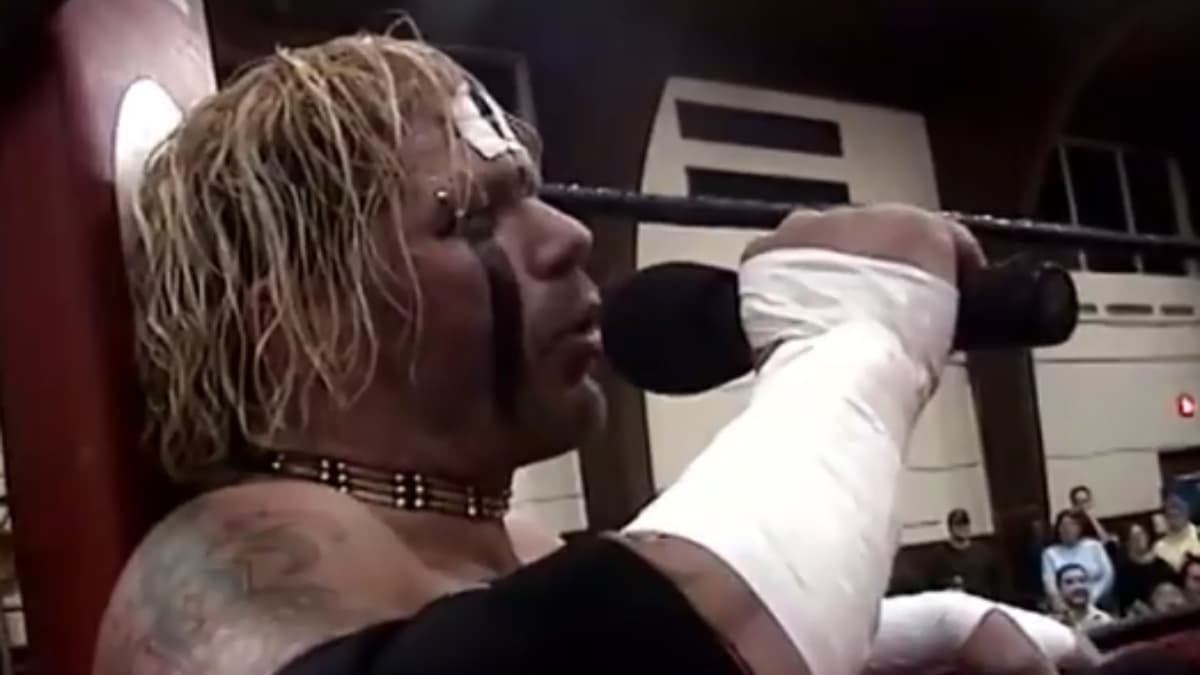
While Feinstein ran operations, the actual booking was handled by Gabe Sapolsky, a disciple of Paul Heyman, who tried to give the promotion a solid identity with its presentation and implementing things like the Code of Honor – rules wrestlers would need to follow, such as shaking hands before matches and respecting the officials, that gave the product a more sports-like feel.
Other independent promotions of the time tried to capture the spirit of the ECW in CZW, XPW, and even MLW, but Ring of Honor looked to showcase a product that was far more technically minded and heavily inspired by Japan. In 2003, Ring of Honor even welcomed the stars of All Japan Pro-Wrestling and also helped to bolster its international profile by co-promoting a show with England’s Frontier Wrestling Alliance.
Things were going well for Ring of Honor and they were ticking along nicely when, in early 2004, a scandal threatened to bring the company down when Rob Feinstein was implicated in an online sting operation, which was broadcast on local Philadelphia news.
According to the report, Feinstein showed up to a house to meet someone who he thought was a 14-year-old boy when he was confronted by a camera crew and fled the scene. Feinstein has long maintained his innocence and was never charged with anything in relation to the incident, but it had major implications for Ring of Honor, who issued a statement saying that Feinstein (who held a 51% stake in the company) was gone, and the promotion hired a PR firm to manage the fallout.
Whether Feinstein was gone immediately or not is up for debate, but from that point forward, the shots were called by Sapolsky, Doug Gentry and Cary Silkin, a New York City ticket broker who held a partial stake, who took over as the new owner.
Under Silkin, Ring of Honor had what was probably their best-ever period, from an in-ring perspective at least, though they did become self-sufficient for a time in late 2005.
While relations with TNA, who shared talent with ROH, became strained in the aftermath of the Feinstein scandal and TNA stars like Christopher Daniels and AJ Styles could no longer be booked, Ring of Honor actually grew and expanded their operations, touring in new markets and beefing up their schedule, while also diversifying with their own shoot interviews and other products.
ROH also started putting on some amazing shows featuring some of the best wrestling that could be seen anywhere in the world. The likes of Samoa Joe, Bryan Danielson, and CM Punk were helped significantly by the emergence of Nigel McGuinness, Austin Aries and a steady stream of up-and-comers who were happy to take their place at the top whenever WWE or TNA inevitably signed ROH’s best talents.
Ring of Honor also, in this era, greatly strengthened their international fanbase by forming relationships with companies around the world. This was great for fans, as it not only meant that they got to see foreign stars like Takeshi Morishima, Jushin Liger, Kenta Kobashi, PAC, the revolutionary Dragon Gate crew, and others perform on ROH shows, but Ring of Honor talents got to tour overseas, too.
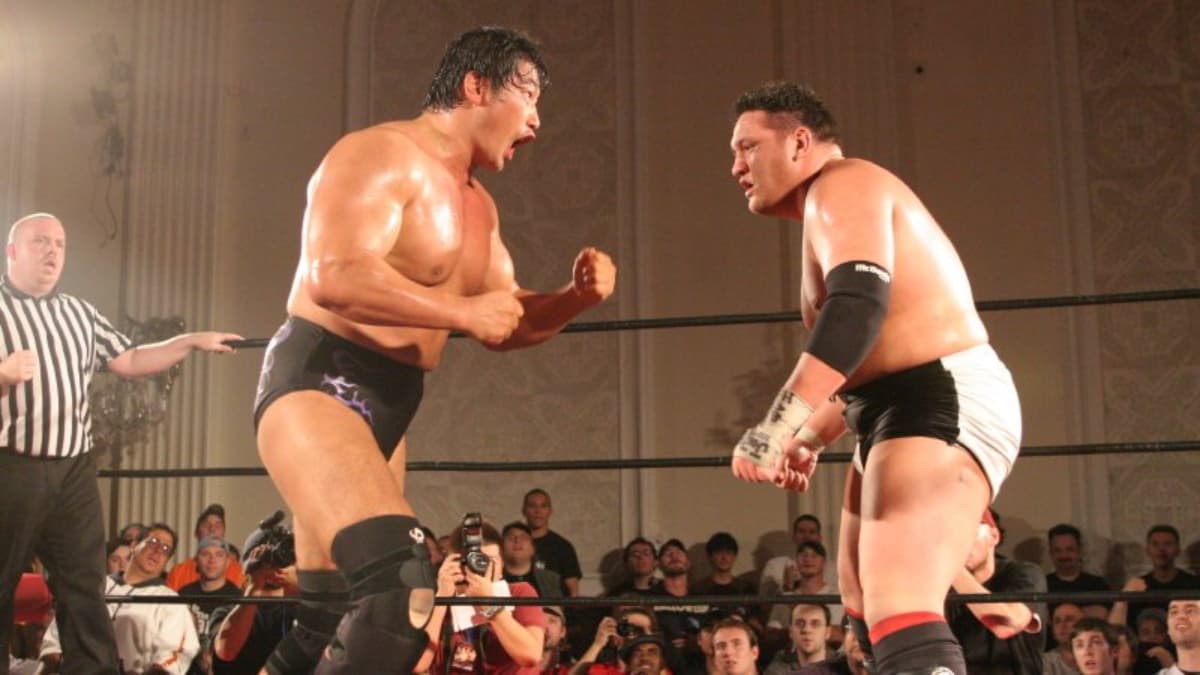
While the great wrestling was always the main draw, Ring of Honor also proved they could tell a great story, as they did in their inter-promotional feud with the philosophically much different Combat Zone Wrestling.
In this era of 2005 to 2008, Ring of Honor were branching out while maintaining their buzz. They were the number three promotion in the United States and a place where every budding grappler wanted to work, but they were never flush with cash. On the contrary, they were often losing money as overheads and other expenses increased.
Creatively, the direction of the company changed when Sapolsky was let go as head booker, being replaced by Adam Pearce, who in turn would be replaced by Hunter ‘Delirious’ Johnson.
The company struck a deal to air a weekly television programme on HDNet Fights, signing a two-year contract in January 2009 and hiring Jim Cornette to act as Executive Producer, which gave them further exposure.
Cornette would act as more than Executive Producer, however. Though never officially named as head booker, the product soon had his sticky fingerprints all over it. Though the tennis racket connoisseur implemented some well-received changes, his time with the pencil was also quite controversial.
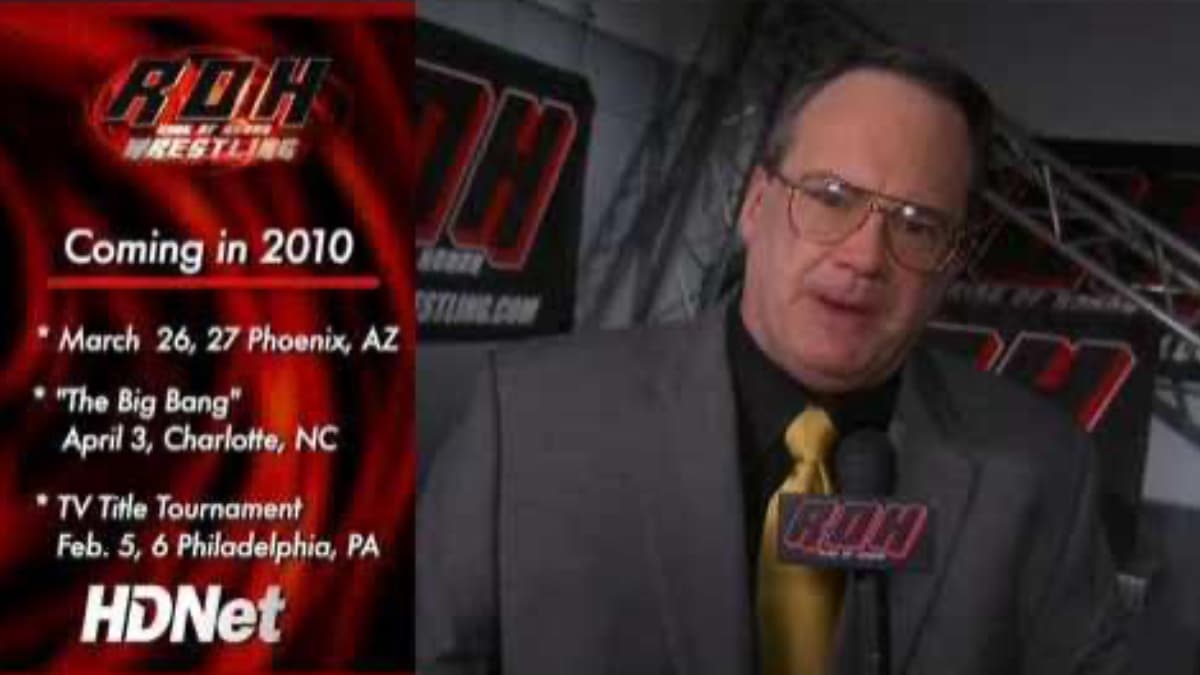
He clashed with ROH stars like Kevin Steen and some criticised his booking for being stuck in the past. His philosophy had worked in regional settings like Smoky Mountain and OVW, but he was very much a man out of time and place in Ring of Honor and it wasn’t a shock to see Delirious regain control of the creative direction. Cornette would exit ROH in November 2012.
A chunk of the Cornette era came at a pivotal time for the company, as it was sold from Cary Silkin to the Sinclair Broadcast Group, announced on May 21, 2011.
Cornette and former WCW promoter Gary Juster helped broker the deal, which was worked out with Joe Koff, with the idea that the Sinclair group would put ROH programming on their stations in their home markets on weekends and that ROH would tour those markets on the back of that.
They believed that, if they had a stronger local TV presence, they could attract an average of 750 fans to shows and, in theory, have a decent, profitable business. That may have worked in a bygone age, but it wasn’t going to happen in the early 2010s when wrestling in general wasn’t exactly at its most popular. Ring of Honor did not average 750 fans.
Still, the group soldiered on, relying on a new generation of stars like The Young Bucks, ReDragon, Adam Cole, and Jay Lethal as production values increased and the arenas got bigger as more and more fans caught onto The Elite.
Ring of Honor’s partnership with an insurgent New Japan Pro-Wrestling certainly helped things, as they were soon able to offer full-time contracts to performers as their business grew.
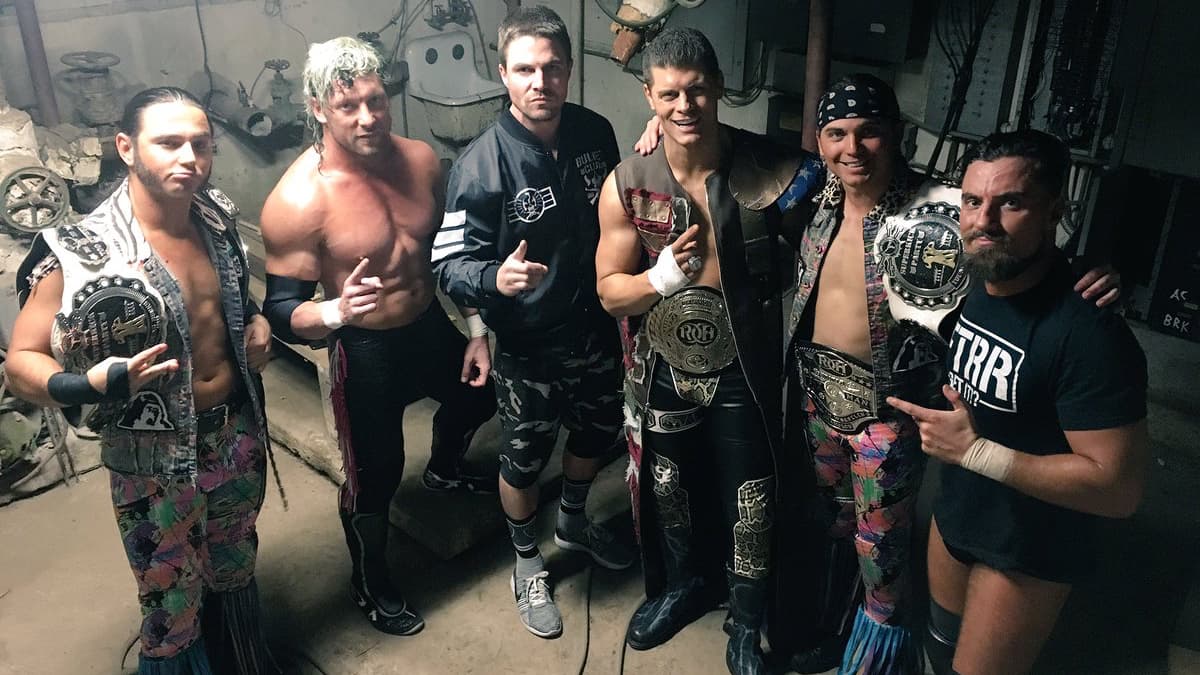
By 2018, Ring of Honor were arguably the second-biggest wrestling promotion in the United States, thanks in large part to their association with The Elite and work with the red-hot New Japan.
The promotion always had to contend with their top stars being poached, something that only happened more frequently when Paul "Triple H" Levesque decided to sign many of them up to play a part in his vision of NXT.
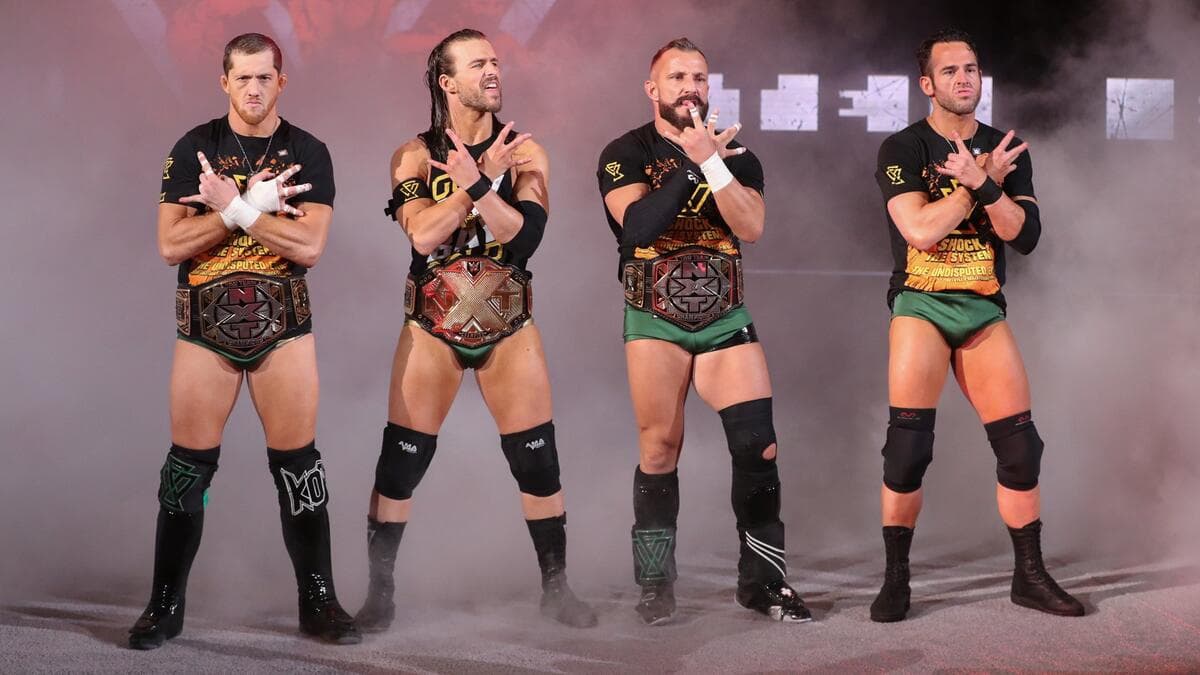
Paul Levesque didn’t manage to secure the signatures of Nick and Matt Jackson, though, who were vital to both Ring of Honor and New Japan but who were, along with Cody, dismayed at Ring of Honor’s reluctance to run bigger venues on a more regular basis. They knew wrestling was experiencing a major upswing and so they – in conjunction with Ring of Honor – used their own money to fund and promote All In, an independent pay-per-view that attracted over 11,000 fans to Chicago and around 50,000 buys.
Widely hailed as a pivotal moment in modern professional wrestling and, on the surface, a good thing for Ring of Honor, the overwhelming success of All In would prove to be the beginning of the end for Sinclair's ownership of Ring of Honor.
Cody, The Young Bucks and many other important players left Ring of Honor and New Japan in late 2018 to help found All Elite Wrestling, a new venture backed by the billionaire Khan family.
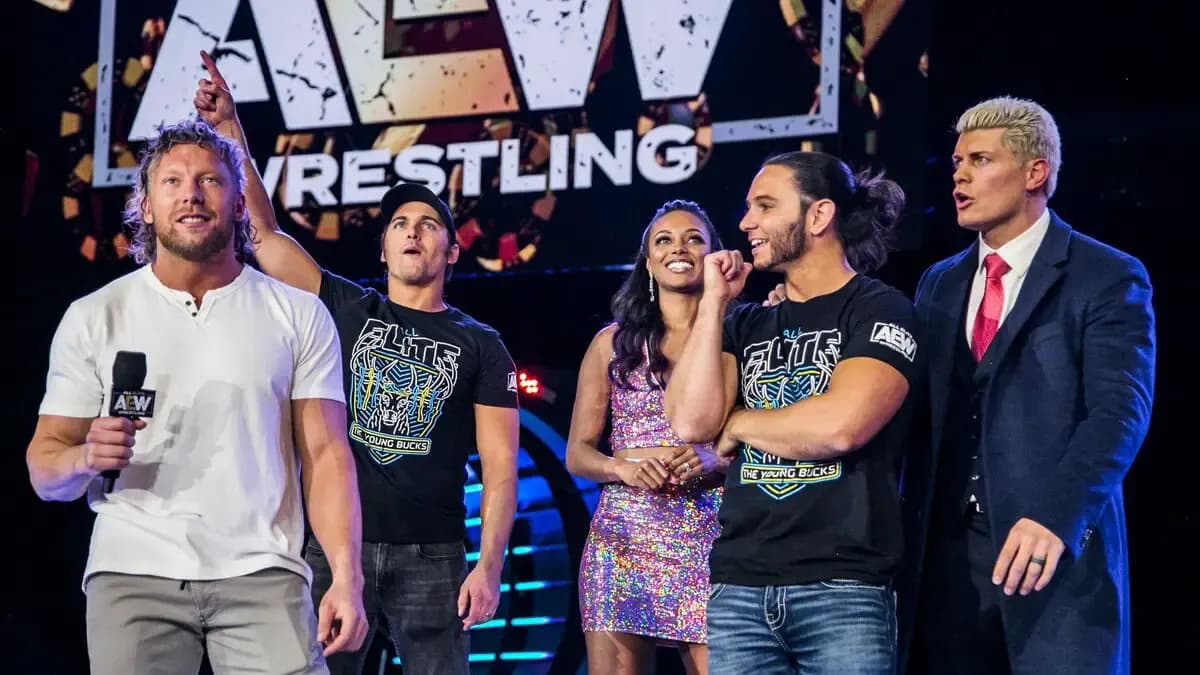
While AEW went from strength to strength with a number of former ROH stars on the roster, Ring of Honor found themselves left behind in this new pro wrestling landscape.
Yes, ROH did manage to sell out Madison Square Garden for the G1 Supercard show co-promoted with New Japan in 2019, their biggest and most attended event in history, but most contend that the New Japan portion was the draw, as well as the initial advertisement of Kenny Omega and The Young Bucks, who obviously didn’t end up making that particular booking.
The MSG show was a strong piece of business, but that good news would be one of the few real positives for a year that is pinpointed as the true start of Ring of Honor’s decline. In fact, one of the first big hits came on the G1 Supercard show, as Matt Taven beat Marty Scurll and Jay Lethal in a Ladder Match to become ROH World Champion.
Most fans expected Scurll – their most popular star – to become champion or, at the very least, for the also-popular and long-reigning champion Lethal to retain. The decision to make Taven the champ was not well received at all. Neither was the booking and continued involvement of Bully Ray. Nor, for that matter, was Ring of Honor’s TV output being months behind the pay-per-views in storyline terms.
Come the end of 2019, the ageing PCO – a longtime mid-card act enjoying something of an Indian summer in ROH – was made world champion, just 77 days after the well-liked RUSH had dethroned Taven. Again, this move was widely derided, as were certain backstage scandals, like Women of Honor Champion Kelly Klein not having her contract renewed after she spoke up about the company’s alleged lack of care when it came to concussion protocol.
The company was clearly struggling on many fronts and the disinterest in the product led to a fall in attendance and a fraying of relations with New Japan. Then COVID-19 hit.
Like all wrestling and live entertainment companies, the COVID-19 pandemic devastated Ring of Honor. To their credit, the company didn’t let anyone go and gave talent and staff security during uncertain times, but the lack of fans hurt their bottom line considerably. Unlike WWE or AEW, Ring of Honor didn’t have large television rights fees contracts, just a reasonable budget from Sinclair. Still, in spite of that, they were able to pay and keep people on the roster while they shut down and proceeded with caution as the pandemic raged on.
The live crowds wouldn’t return until the Best in the World pay-per-view on July 11, 2021 – the first show with fans since Gateway to Honor on February 29, 2020. Best in the World was enjoyed by critics and fans and was certainly a noteworthy event, as several major title changes took place.
Despite that, there was very little buzz around ROH. In truth, there hadn’t been much buzz around Ring of Honor for quite a while. All Elite Wrestling had quite clearly taken much of their audience away, along with their formerly independent stars and reputation for putting on great matches. AEW was the new darling of the hardcores. Ring of Honor’s best days were long behind them.
On October 27, 2021, Ring of Honor issued a statement announcing the company would go on a hiatus following December's Final Battle and would aim to return in April 2022. As part of their statement, ROH mentioned that all personnel would be released from their contracts and that everyone was free to work anywhere else, contract or no, effective immediately.
This came just days before Sinclair Broadcast Group released their 2021 Q3 earnings report, which revealed the company was in millions of dollars of debt.
Sinclair would go on to hold talks with AEW’s Tony Khan and WWE about potentially purchasing Ring of Honor and a deal would ultimately be agreed, with Tony Khan announcing in March 2022 that he was the new owner of ROH. How much Khan paid for ROH is unknown, only that it was less than $4 million.
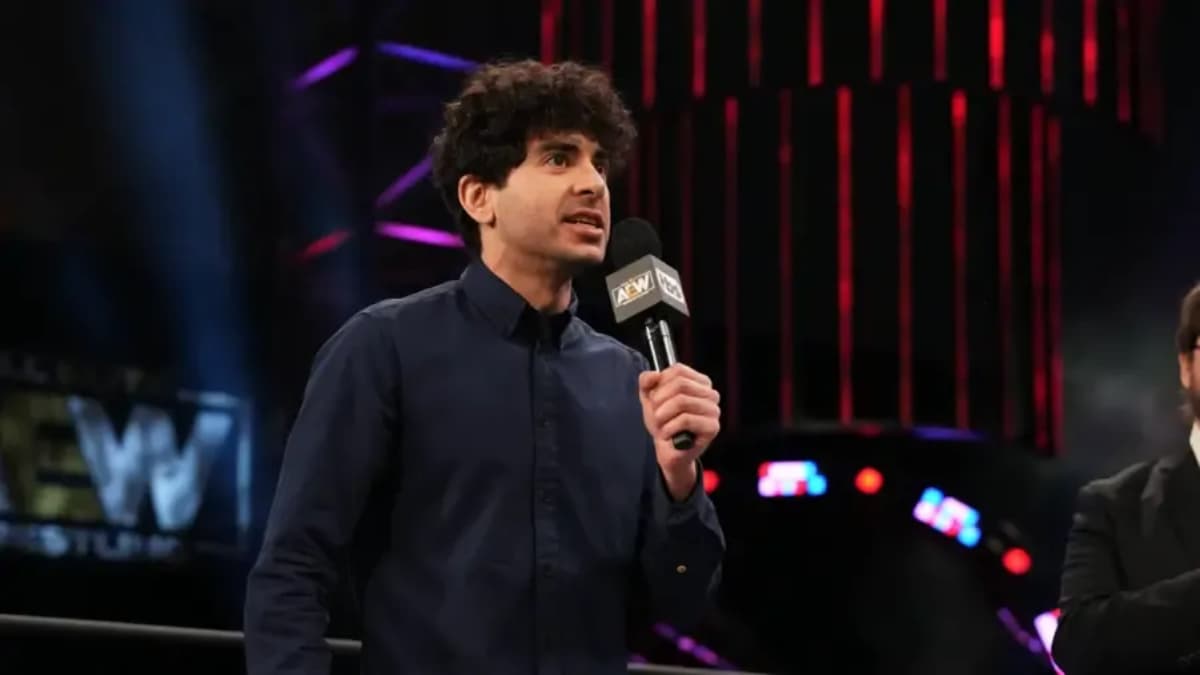
Initially, Ring of Honor’s championships were featured across AEW TV and at ROH’s own pay-per-views before ROH TV was revived in 2023. Since then, ROH has aired a weekly TV show on the HonorClub streaming service and ROH’s mainstay pay-per-views like Supercard of Honor, Death Before Dishonor, and Final Battle have aired on a semi-regular basis.
The promotion today very much serves as a sister/developmental brand for All Elite Wrestling, with ROH secondary to AEW. The promotion continues to survive, but it isn’t the same Ring of Honor that it was in the 2000s or 2010s.
Ring of Honor's legacy will always be the great matches that took place in their black-and-red rings over the course of two decades, that saw the company introduce the wrestling world to performers that would go on to become some of the biggest stars in the industry. Without Ring of Honor, it’s hard to predict what would have become of CM Punk, Bryan Danielson or Samoa Joe.
Ring of Honor really did change the business, helping to popularise a style that was far from en vogue when they were at the forefront and that was, in many ways, looked down on by those in WWE and elsewhere.