A Parting Shot: Jim Ross’ 1993 Exit From WCW To WWE
The story of Jim Ross' jump from WCW to WWE

Jul 8, 2026

The story of Jim Ross' jump from WCW to WWE
Jul 8, 2026
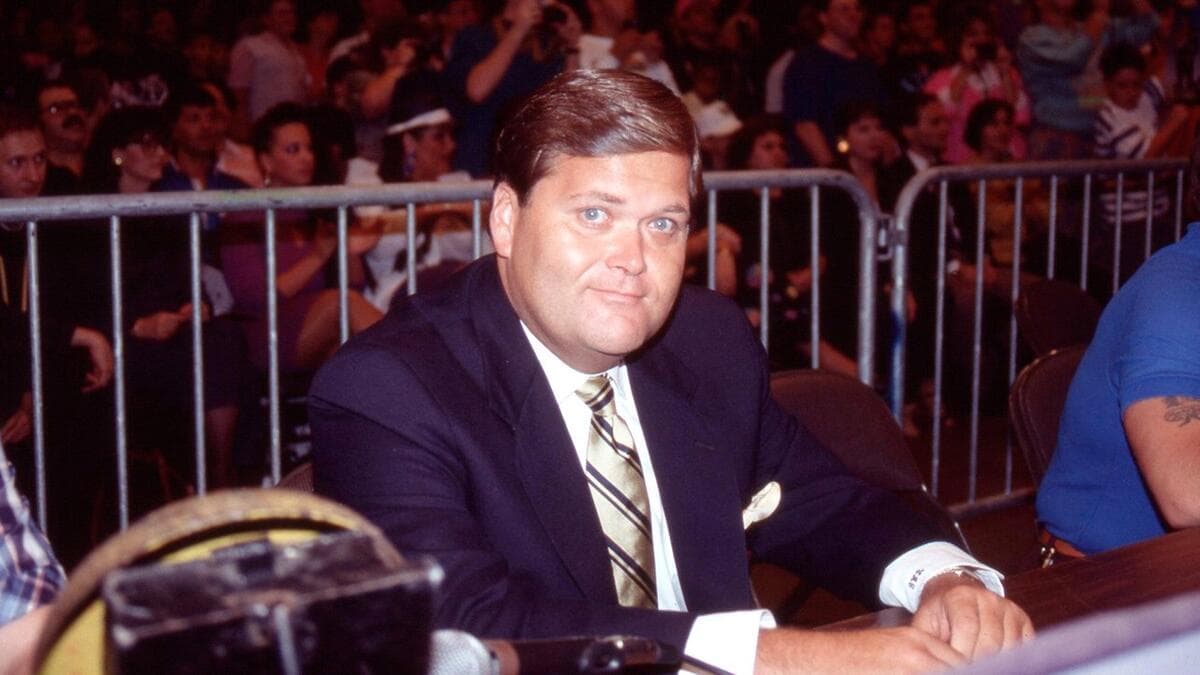
When viewed with decades of hindsight, Jim Ross leaving WCW for the WWF in 1993 feels like an especially monumental move, as arguably the most legendary announcer in wrestling history jumped to a competitor.
Truthfully, it felt seismic then, as even as far back as the early 1990s, Ross was revered as wrestling's pre-eminent broadcaster. WCW didn’t appreciate what they had, however, and a series of manoeuvrings in early 1993 led to Ross being removed from the commentary booth.
Those machinations ultimately sent Good ol' JR spiralling into the waiting arms of the World Wrestling Federation. Before Ross made his official debut with the company, he landed one last parting shot on his ex-employer.
Since 1974, Jim Ross had made his living in the pro wrestling industry. His experience broadcasting wrestling on college radio led to him getting a fill-in announcer gig at NWA Tri-State, later rebranded as Mid-South Wrestling. Ross' first full-time job with the territory was as a referee, which he did for three years, while he also worked as a travelling assistant to promoter Leroy McGuirk, who was blind. In addition to McGuirk, Ross also sat under the learning tree of industry figures such as legendary grappler Ernie Ladd, revered broadcaster Gordon Solie, and ornery brawler turned master booker "Cowboy" Bill Watts.
After a few years of officiating and serving as right-hand man, Ross transitioned into broadcasting full time, and he became the lead announcer of Mid-South Wrestling, while he was also appointed to the position of vice president of marketing, effectively becoming Watts' deputy.
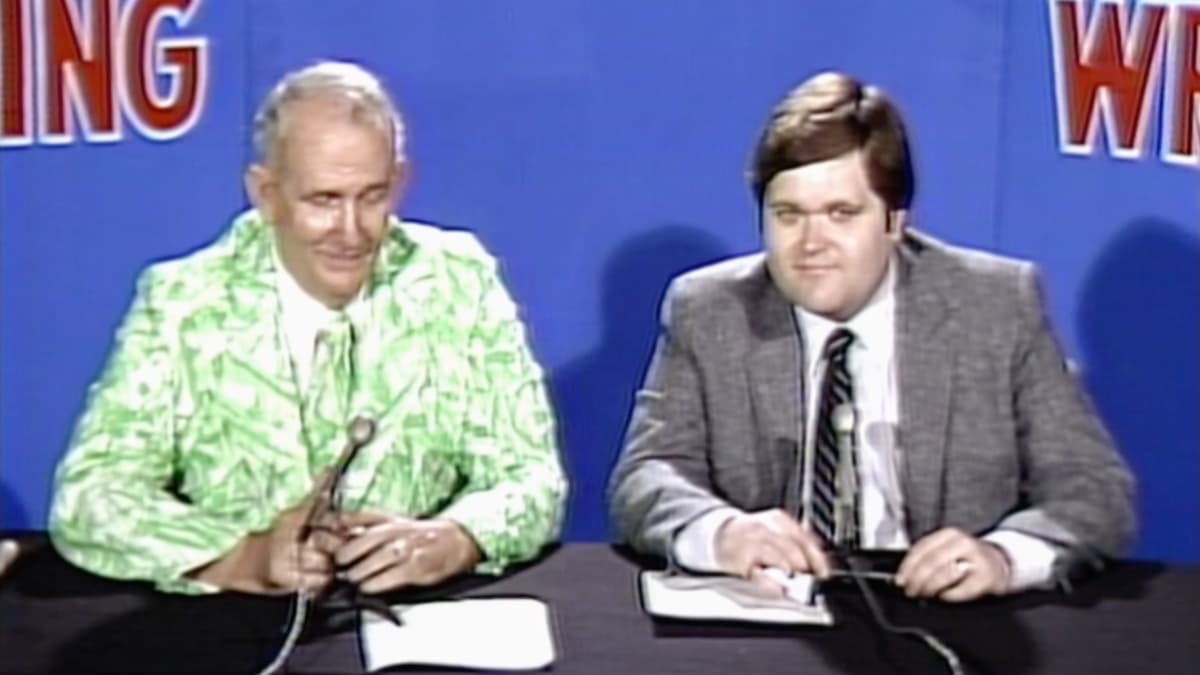
Mid-South was flying high by 1986 when they once more rebranded, this time as the Universal Wrestling Federation in Watts' attempt at building his own national powerhouse. However, an economic downturn in the region caused the bottom to drop out, and Watts decided to sell.
With the help of Ross, Watts sold the UWF to Jim Crockett Jr. in 1987. Ross soon became the lead voice for Crockett's events, broadcasting alongside the likes of Tony Schiavone, David Crockett, and Bob Caudle.
In 1988, Crockett sold the financially imperilled territory to Ted Turner, marking the effective birth of World Championship Wrestling, where Ross stayed on as the lead voice. That wouldn't be his only job with the promotion, as Ross served on WCW's booking committee, and also worked as vice president of broadcasting.
It was as a broadcaster that Ross ingrained himself with the public. For every year from 1988 through 1993, Ross was voted Best Television Announcer in the Wrestling Observer Newsletter Awards. He would go on to receive the honour eight more times between 1998 and 2009, and his 14 awards are nine more than the next closest honouree.
His urgent narration, complete with deadpan humour, colourful descriptions, and well-harnessed enthusiasm, made an average match exciting and elevated marquee bouts to another level. At one time, though, Ross had his eye on a more challenging position.
In the spring of 1992, there was an opening for the role of executive vice president of WCW. Jim Herd had resigned from the position earlier that year after three maligned years, while highly fervent successor K. Allen Frey only lasted several months in the position before quitting himself.
Ross craved the challenge of the job, feeling he could steer WCW's fortunes for the better. He even went to CNN Center to give his pitch in person. However, unbeknownst to him, there was already somebody in mind for the job in Ross’ friend and mentor Bill Watts.
The hiring of Watts came as a monumental shock due to its left-field manner, and even JR had no warning it was coming despite how close he was to the former Mid-South promoter. Making it all the more shocking was that Watts had been out of the business for five years, but he had a great track record for success in running Mid-South, as his televised product was lauded for its grit, believability, and action. Watts was also charged with slashing costs, however, as WCW had been a money loser under Turner's ownership.
Between creative flair and an alpha dog mentality, Watts seemed more than qualified to helm a national wrestling promotion, particularly one in desperate need of a rudder. However, there were soon complications.
First, the power structure didn't seem beneficial to Watts, who was used to being the unquestioned leader. Dave Meltzer of the Wrestling Observer Newsletter was prescient in his reporting of Watts' 1992 hiring, writing: "Watts was also always an autonomous leader, and now he'll be part of a corporate structure in a corporation which knows little about the nuances of the wrestling business."
Ross came to the same conclusion after his first meeting with Watts post-hiring. When Watts told him, "I'm going to do it my way, no matter the cost," Ross quietly and correctly predicted that Watts wasn't going to be long for WCW. Watts' school of thought vs. multi-layered bureaucracy was a match made in hell, and the arrangement wasn't destined to last.
Watts also failed to endear himself to the WCW locker room after he introduced outdated edicts, including banning top rope moves, barring faces and heels from travelling together, and not allowing anyone to leave the building until the final match ended, among other changes. Watts also used the pencil to push his novice son as a rising star, which didn’t help anybody.
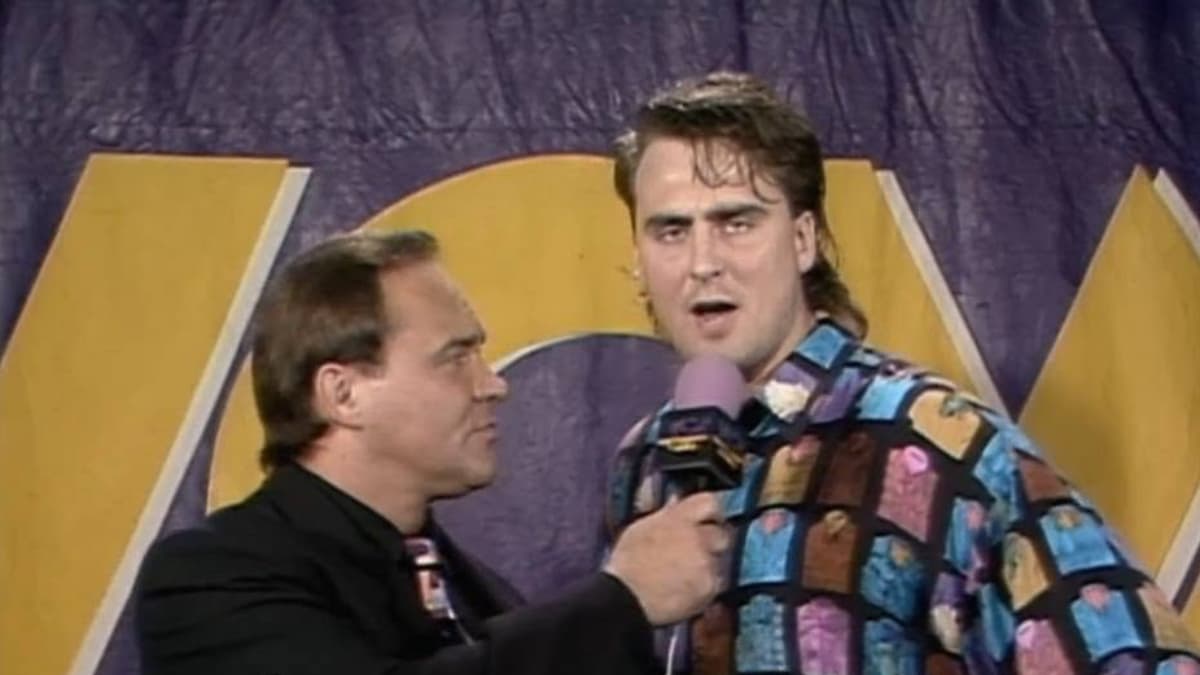
Watts was insistent on bringing wrestling back to some bygone period in order to turn business around, but his ideas felt primitive. Not only had Watts not been involved in wrestling in five years, some were wondering if he'd even watched any wrestling during that time.
Nonetheless, Watts would have his day running the wrestling side of things. Ross was handpicked to be part of his executive committee, along with Dusty Rhodes, Jim Barnett, Tony Schiavone, and others.
Before long, though, Watts ran into executive resistance in the form of TBS higher-up Bill Shaw, whom Ross likened to "an evil Andy of Mayberry from The Andy Griffith Show."
According to Ross, Shaw looked down on the wrestling part of the Turner empire, viewing it as low class and low rent. Between Shaw and fellow Turner executive Bob Dhue, Watts didn't have quite the autonomy he was expecting in WCW.
Bill Watts was making enemies in Turner's company, and this didn't bode well for Jim Ross. Ross was closely associated with Watts due to both their years-long connection and present working relationship. JR was a part of Watts' administration, officially as vice president of broadcasting, and the more people Watts alienated, the more some of the heat would fall on Ross.
By February 1993, the walls were closing in on Watts. Shaw and Dhue were said to be taking a more hands-on approach in overseeing WCW and restructured the company into three divisions of pay-per-view, television, and wrestling, with Watts heading the latter. The way the hierarchy was staggered, Shaw sat at the top as WCW president, with several people answering to him. One of them was Dhue, to whom Watts would personally answer.
On February 10, though, Watts resigned from WCW. While such a move was likely, given his diminishing power, the resignation coincided with increased awareness of a controversial interview Watts gave in 1991 in which he made several questionable remarks about discrimination. That interview ended up being seen by baseball home run king Hank Aaron, an Atlanta institution who also served on Turner Broadcasting's board of directors. While it would have been difficult for Watts to remain on board under these circumstances, he claimed to have resigned due to difficulties working under Shaw.
For Good ol’ JR, he still had his office job but his days as a WCW broadcaster were coming to an end. In mid-February, Ross was removed from all television with immediate effect. He was pulled from that month's SuperBrawl pay-per-view and replaced on all programmes that he called.
Ross believed this was guilt by association with Watts, later writing, "The guy that taught me more than anybody in wrestling was the guy who inadvertently derailed my WCW career."
The man who effectively replaced Watts was Eric Bischoff. Contrary to Watts and other showrunners before him, Bischoff wasn't a dogged wrestling veteran calling the shots but someone willing to be more flexible in navigating the narrow strait between building a viable wrestling entity and appeasing the disconnected suits at Turner.
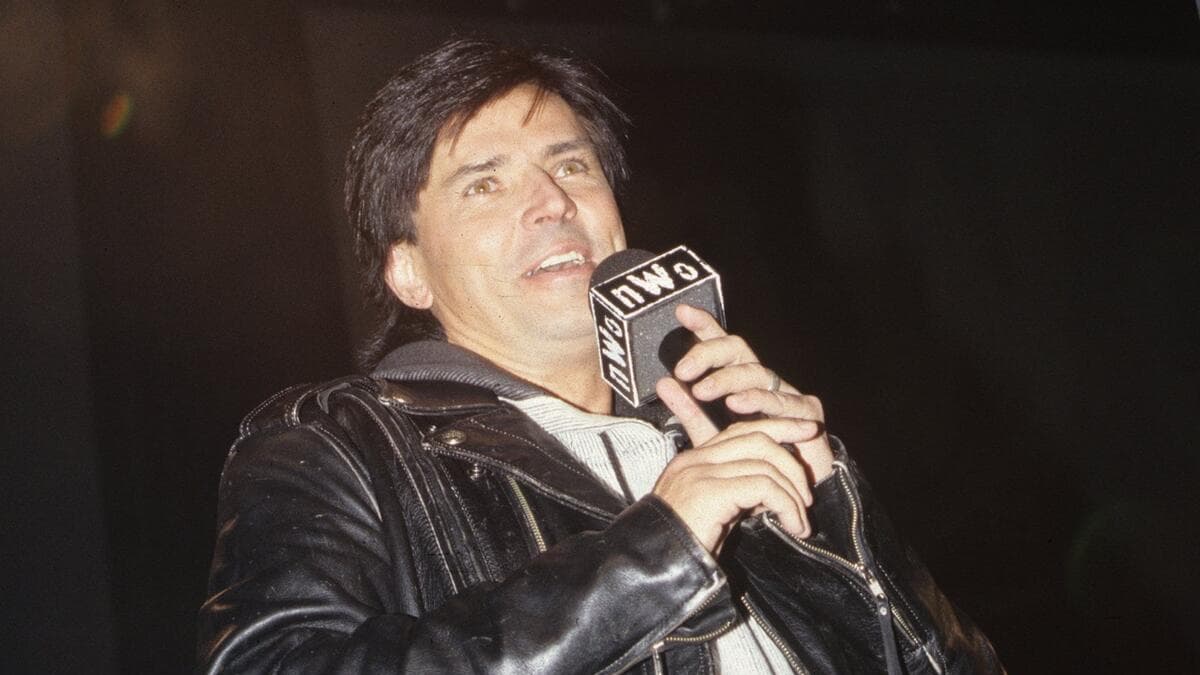
For some time, Ross blamed Bischoff for getting him removed from television, but later came to admit that it was his ego and personal feelings that put him at odds with Bischoff. In his memoirs, Bischoff claimed that it was Shaw who removed Ross from television.
Bischoff remembered there was a contentious vibe from Ross dating back even before Bischoff became the executive vice president of WCW, saying: "I didn't like working for Jim Ross at the time...he was a miserable human being. A lot of that had to do with the fact that he reported to Bill Watts and had to take a lot of Watts' sh*t. It was a miserable position to be in."
While Ross and Bischoff are on good terms now, 1993 was a different story, and Ross was understandably unhappy with having his favourite part of the job taken away from him.
Going forward, there was no spot for JR on camera in a changing WCW. There was, however, a spot for him off camera. Amid the flurry of changes, Ross met with Shaw at his office. There, Ross remembered Shaw giving him a choice of he could either take six weeks off to let any residual heat from his ties to Watts fade away or he could accept a reassignment to syndication sales, going around the United States to market WCW's television to local affiliates. Ross could also work behind the scenes producing the announcers.
Ross was going to be paid no matter what choice he picked, but he was too driven to just sit at home doing nothing. He also reasoned that if he went home for any length of time, it might look like he was showing solidarity with the sullied Watts. Somewhat begrudgingly, he accepted the off-camera roles.
It didn't take Ross long to grow miserable in his new position as he called the work "soul destroying." His passion was in broadcasting, and after brilliantly serving his employer in that role for more than five years, he felt he was just being stashed away until his contract expired.
With his frustration beyond the breaking point, Ross handed in his resignation on February 25. Subsequently, he reached out to old friend Bruce Prichard at the World Wrestling Federation.
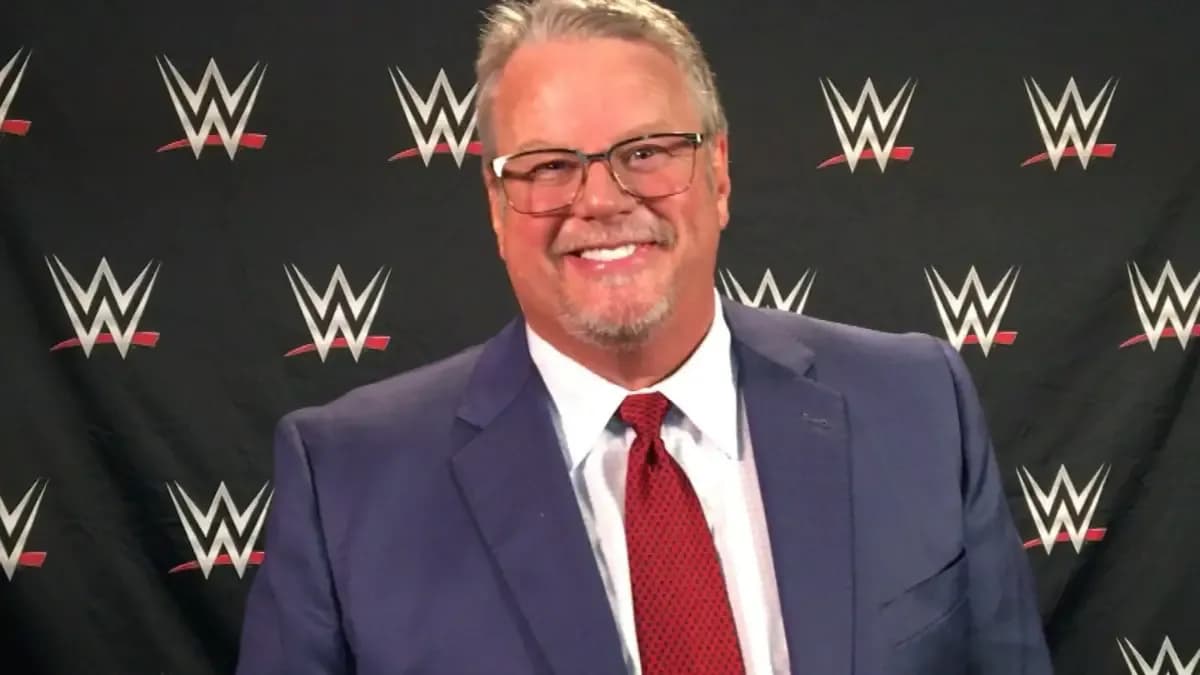
On Tuesday, March 9, Ross made the two-hour drive from Atlanta to Augusta, the site of a marathon taping of WWF Wrestling Challenge. There, Ross met with Vince McMahon, who queried him about his prior work across various booking and broadcasting departments. The WWF boss picked JR's brain about what could be done to improve the company’s product. As Ross described it, he and McMahon amiably chatted for almost three hours.
After that meeting, Ross said that McMahon offered him a deal on the spot, plus a signing bonus. He also informed Ross that his first day on the job would be at WrestleMania IX in Las Vegas, less than four weeks away.
However, there was a hang-up. Ross' WCW resignation triggered a six-month period of severance payout, which would bar him from working for a competing wrestling company during the timeframe. Ross was willing to waive the severance in exchange for the freedom to immediately sign with the WWF, which reportedly only Shaw and Dhue had the authorisation to grant.
Ross reached out to Shaw to seek his contractual release. According to Bischoff, Shaw came to him and asked what to do, if he should deny the request and prevent Ross from going to the WWF. Bischoff claimed that he gave the blessing to let Ross out of the deal, saying there was really no point in stashing him away if he was just going to be miserable.
When exactly Ross had the liberty to sign with the WWF isn't quite clear, but as most people close to the situation seemed to understand it, Ross was still tethered to WCW as of Sunday, March 28, seven days out from WrestleMania.
March 28, 1993
Even if he was effectively silenced on WCW programming, Jim Ross still had one other outlet to make his voice heard. Since 1991, Ross had his own Sunday night wrestling-orientated radio show, Wrestling with Jim Ross, on Atlanta station WSB, which was the radio home to every major Atlanta sports franchise, as well as Georgia Bulldogs college football and basketball coverage.
From its premiere, Wrestling with Jim Ross was in large part orientated toward WCW, and WCW apparently sponsored the show to some degree.
However, something was apparently misunderstood about the radio show, at least on WCW's end. According to Ross, some of the bigwigs in the company were under the assumption that WCW owned the show. Ross claimed that he himself owned it and personally set up sponsorship deals for the programme. Thus, he was at liberty to dress up the show with discussion of any other promotion if he so desired, like the WWF.
On March 28, 1993, a scant week before WrestleMania IX, Ross welcomed Vince McMahon, Bobby Heenan, and reigning WWF Intercontinental Champion Shawn Michaels onto his Atlanta-based, WCW-sponsored radio show, for what amounted to a WrestleMania infomercial.
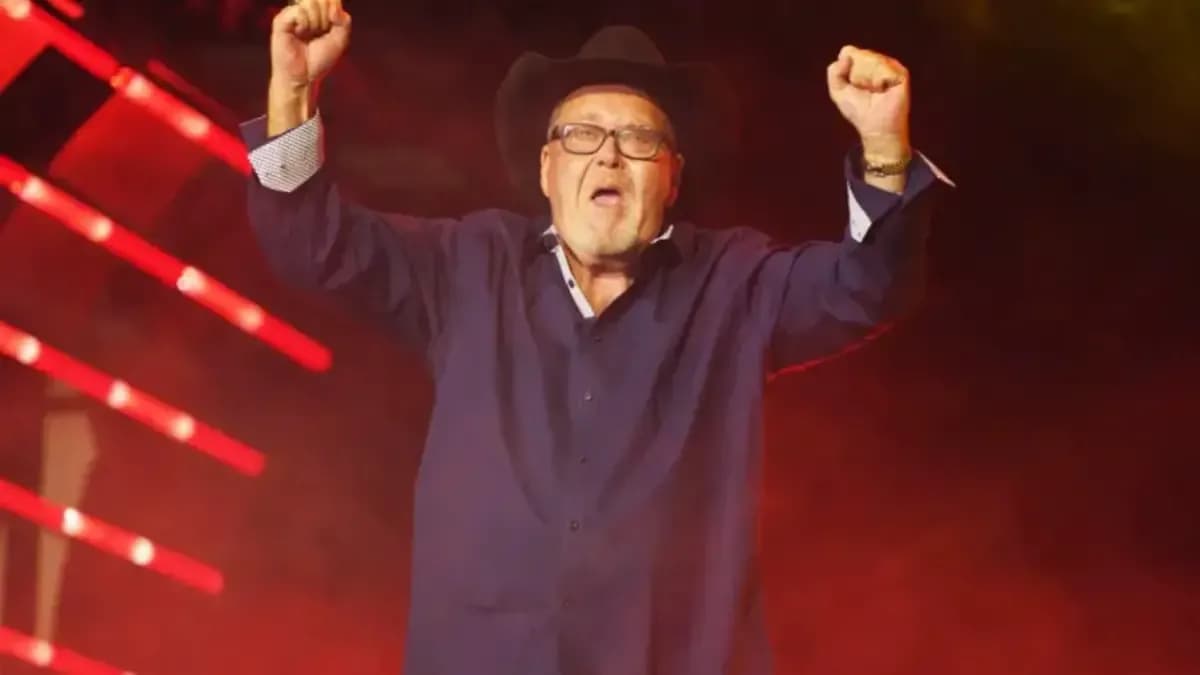
It was on this broadcast that McMahon gleefully announced that Ross had signed with the WWF, saying that Christmas had come early, and called it the equivalent of, "John Madden jumping from CBS to NBC."
When Turner officials got word that McMahon was going to be on the show, they took exception, only for Ross to apparently stop them dead in their tracks by revealing to them the ownership arrangement of the programme. As it appeared, he had the say, not them.
There seemed to be some controversy regarding McMahon's declaration that Ross was on board with the WWF, though, since there was no word that Ross had received his full release from WCW. However, as Ross later claimed, WCW inadvertently voided his contract when they reassigned him from broadcasting to the sales job. If McMahon was willing to appear on the radio show and declare that Ross was signed, sealed, and delivered, then the WWF side seemed pretty confident in making that argument.
Jim Ross In WWE
Indeed, Jim Ross was at WrestleMania IX, as advertised. We all remember the moment best for JR trying to appear upbeat while wearing a toga, but less known is the story of the weeks and months that led Jim Ross into Las Vegas on that Sunday.
The quarter century that followed in WWF/E wasn't always a bed of roses for Ross. The occasional humiliation angle and/or demotion, as well as the often thankless job he had to do working in talent relations, didn't make every day at the office especially cheery.
Jim Ross did get to shine once more in the medium he was meant to work in of broadcasting, though. Just as his voice is synonymous with cherished UWF and early Turner-era WCW moments, Ross provided the calls for the triumphs and tribulations of the Harts and Michaels, Austins and Rocks, Undertakers and Foleys, and Cenas and Batistas. Once the strongest and most reliable voice outside of WWE, Ross came to cement a standing as WWE's greatest announcer ever.
It is hard to imagine some of WWE's most legendary moments without JR's earnestly volcanic narration, but pro wrestling could have turned out much differently if a previous employer wasn't so dead set on taking him off the headset. Once WCW brass were content to put Jim Ross on the bench, he and his new boss found a creative way to stomp a mudhole in the old boss and walk it dry all the way to New York.