The Stuff Ain't Enough: Buff Bagwell's Disastrous One-Match WWE Run
Why Buff Bagwell failed in WWE
.jpg&w=3840&q=75)
Aug 10, 2026

Why Buff Bagwell failed in WWE
Aug 10, 2026
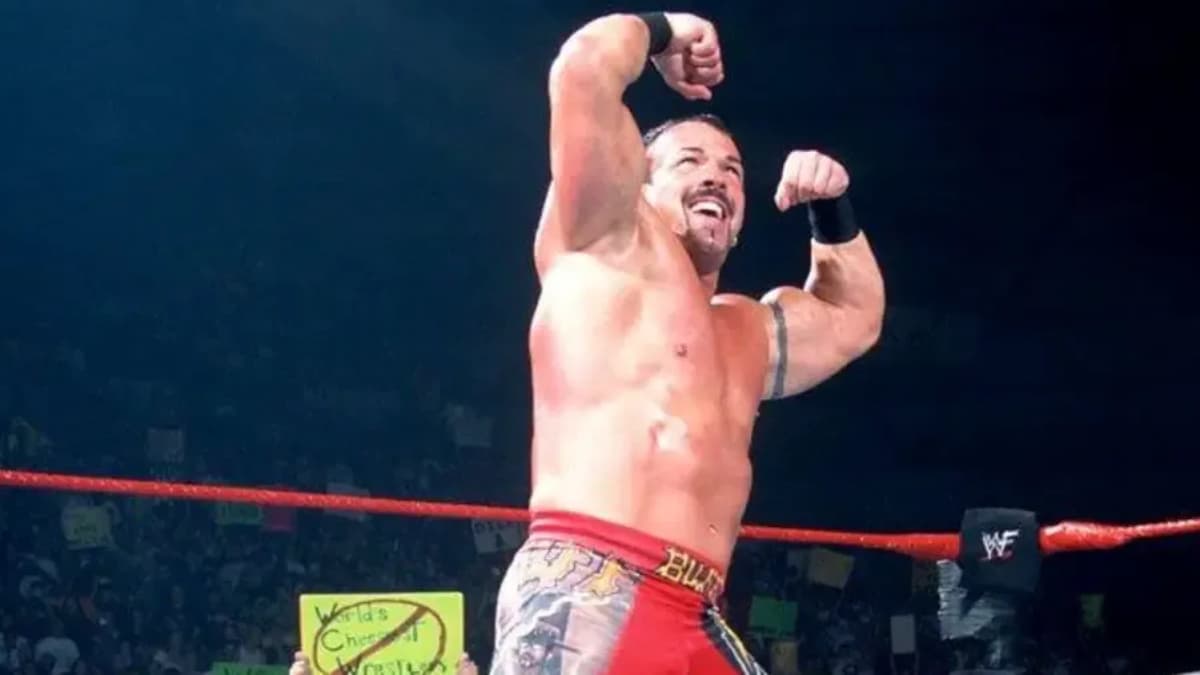
There are some wrestlers seemingly who have everything it takes to get to the very top, but can’t help but be their own worst enemies and get in their own way, preventing them from achieving greatness.
Buff Bagwell was a guy who seemed tailor-made for the World Wrestling Federation and yet, mostly through fault of his own, ended up having one of the shortest WWF/WWE tenures when he eventually joined the company, to the confusion of fans who saw him main event Raw one week, only to be gone from the company the next.
To the co-workers who had set up a betting pool on how long he would last in the company, this was not a surprise, and when you really look into how Buff behaved before, during, and after his blink-and-you’ll-miss-it spell working for the McMahons, it makes a lot more sense.
A former high school football and baseball standout, as well as an amateur boxer, Marcus Alexander Bagwell was discovered by Missy Hyatt, who convinced him to get into the pro wrestling business after meeting him at their shared apartment complex.
After undergoing training and just a few months working indies, Missy handed a tape of Bagwell’s matches to management at her employer, World Championship Wrestling, who liked what they saw and signed him to a deal.
Though he was inexperienced, Bagwell had a good look and was used primarily as a white-meat babyface in various tag teams, winning the WCW World Tag Team Titles with 2 Cold Scorpio, The Patriot, and Scotty Riggs.
Naturally athletic and incredibly driven to succeed, Bagwell noticeably improved during those first handful of years in WCW. His potential was obvious for all to see and, after turning heel and joining the New World Order by attacking Riggs and breaking up The American Males, Bagwell began to receive the biggest push of his career.
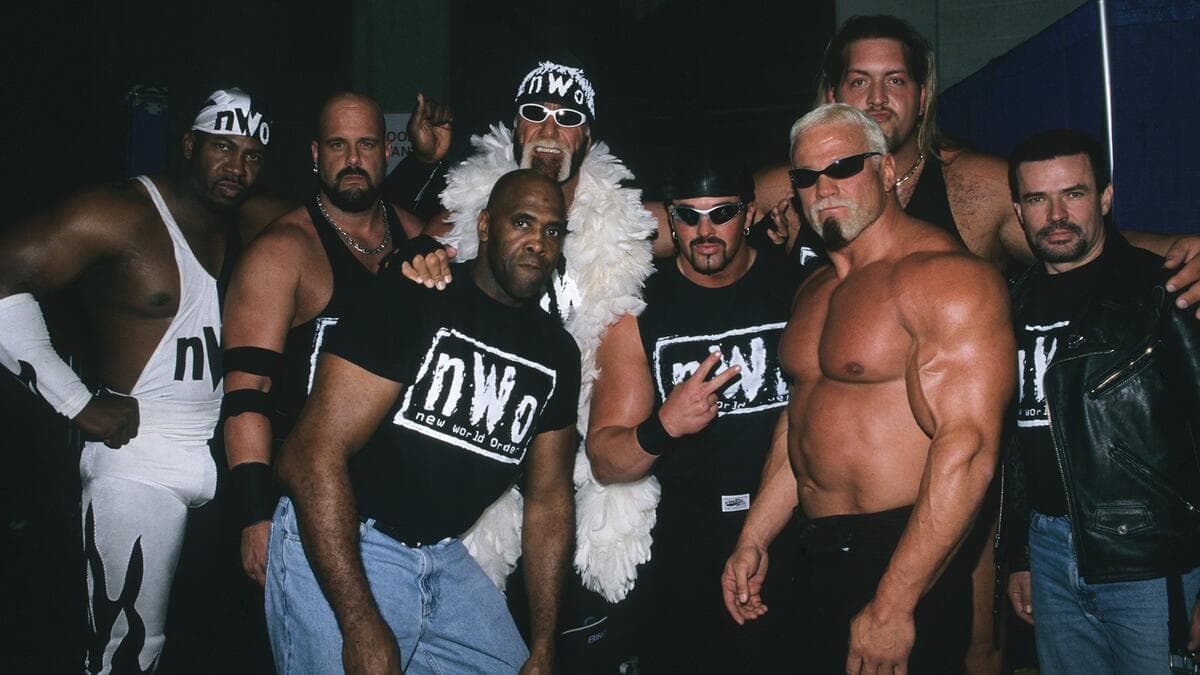
Over the course of the next few years, Buff Bagwell became a much bigger star. A heat magnet who had undeniable charisma, Bagwell’s ascent to the main event level, nonetheless, coincided with the company’s startling decline, as WCW, once on top of the wrestling world, were plagued by problems and overtaken by WWF, who pulled out of sight in the so-called Monday Night Wars.
Like many who were stuck on the sinking ship that was WCW during the promotion’s sad final couple of years, Buff Bagwell couldn’t wait to leave and, hopefully, sign with the competition, and he let everyone know it.
Though he had always possessed confidence, Bagwell’s increasing fame emboldened him to behave in a manner that alienated management, production crew members, and his peers in the locker room.
Buff’s expanding ego led to several unsavoury incidents behind the scenes, including a fight with Ernest ‘The Cat’ Miller prior to their match at Hog Wild 1999, all because Bagwell was upset with the fact Miller was due to beat him at the pay-per-view. This was a common occurrence for Bagwell, who would frequently complain about putting other wrestlers over or just outright refuse to do so for wrestlers he felt were beneath him, such as Berlyn at Fall Brawl 1999.
On May 9, 2000, Bagwell allegedly punched WCW crew member Darrell Miller after Miller asked Bagwell to move away from a door so he could carry some carpets to a van. After an argument ensued, it was said that Buff hit Miller in the neck.
Bagwell was, subsequently, arrested on battery charges, and WCW suspended him for 30 days, costing him around $45,000. He was later given one year of probation, ordered to complete 20 hours of community service, and levied with a $500 fine after Miller pressed charges.
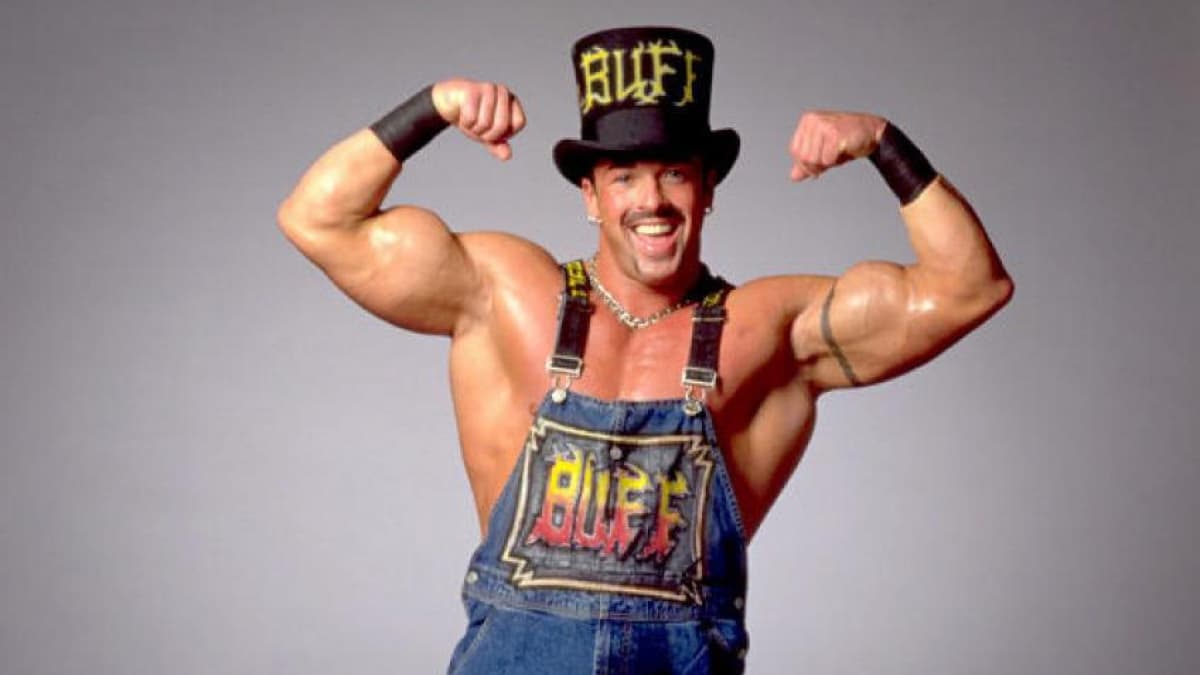
Bagwell wasn’t well liked in WCW, and the feeling was mutual, as Bagwell made clear in an interview with Alex Marvez prior to Halloween Havoc 2000.
During the explosive interview, during which he buried much of the WCW roster as not being true stars, Bagwell noted that he had been upset at being taken off television – since Vince Russo didn’t want to use him – and had instructed his agent to get him either a better contract or secure his release, to which the company responded that they were thinking of getting rid of him anyway.
Buff said that WCW did agree to give him his release on the condition that he sign a 30-day non-compete clause, which he refused to do and figured he would work for WCW until his contract expired that coming March before going to WWF.
There would be more bumps in the road before then, however, including backstage at a Thunder taping on November 27, 2000 when Buff threw what was described as a “massive temper tantrum” after a production error during his loss to WCW World Heavyweight Champion Scott Steiner.
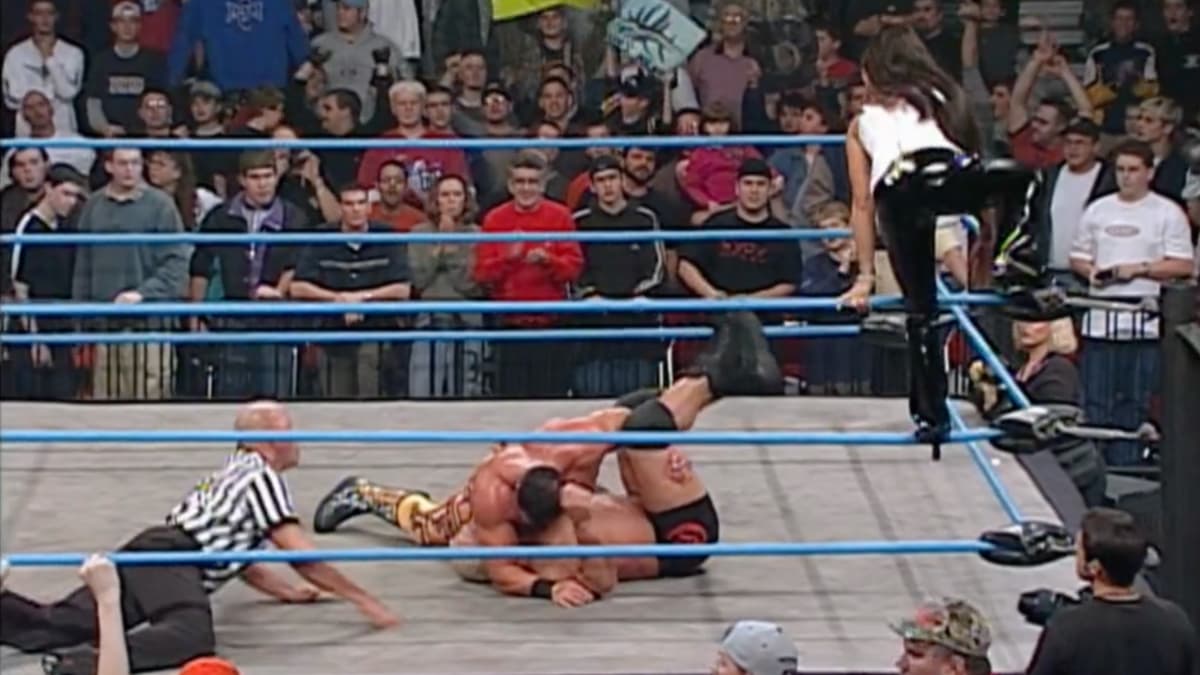
A clip of Sid Vicious cutting a promo on Big Poppa Pump was supposed to play during the end of the contest, allowing Bagwell to get a roll-up for a near fall, but it never played (though it was edited in later), and Buff was livid afterwards, screaming to everyone who would listen about how stupid they were and how he didn’t care if WCW fired him.
Around this time, there were rumours that WCW, deeply in the red and their future uncertain, were about to be sold to Vince McMahon of the World Wrestling Federation.
Buff addressed those rumours during an interview with the Wrestling Love Hotline, saying that there were probably five wrestlers in WCW – himself included – that WWF would be interested in. He claimed that he actually wanted to stay in WCW because that was where his heart was, but that problems in the company were making it difficult for him to do so. Buff also said that WCW had told him that they couldn’t afford to re-sign him when his deal expired in a few months’ time.
While there were rumblings that McMahon was going to purchase WCW, Eric Bischoff was actively working on a deal to buy the promotion and he raised $67 million with Fusient Media Ventures to buy the beleaguered league.
A deal between Fusient and WCW was announced on January 11, 2001, and plans were in place for a full-on restart months down the line. In early March, WCW re-signed Bagwell to a two-month extension, taking him through to the planned Big Bang pay-per-view on May 6. Bagwell had recently had negotiations with WWF about joining the company when his WCW contract expired, but WWF opted against bringing him in.
Before a sale to Bischoff and Fusient could officially go through, however, Turner Entertainment CEO Brad Siegel made the decision to take WCW programming off the schedule. Without television, WCW was effectively worthless and it paved the way for Vince McMahon to swoop in and acquire the company’s assets, including WCW’s archives of footage and some talent contracts, for just $4.2 million.
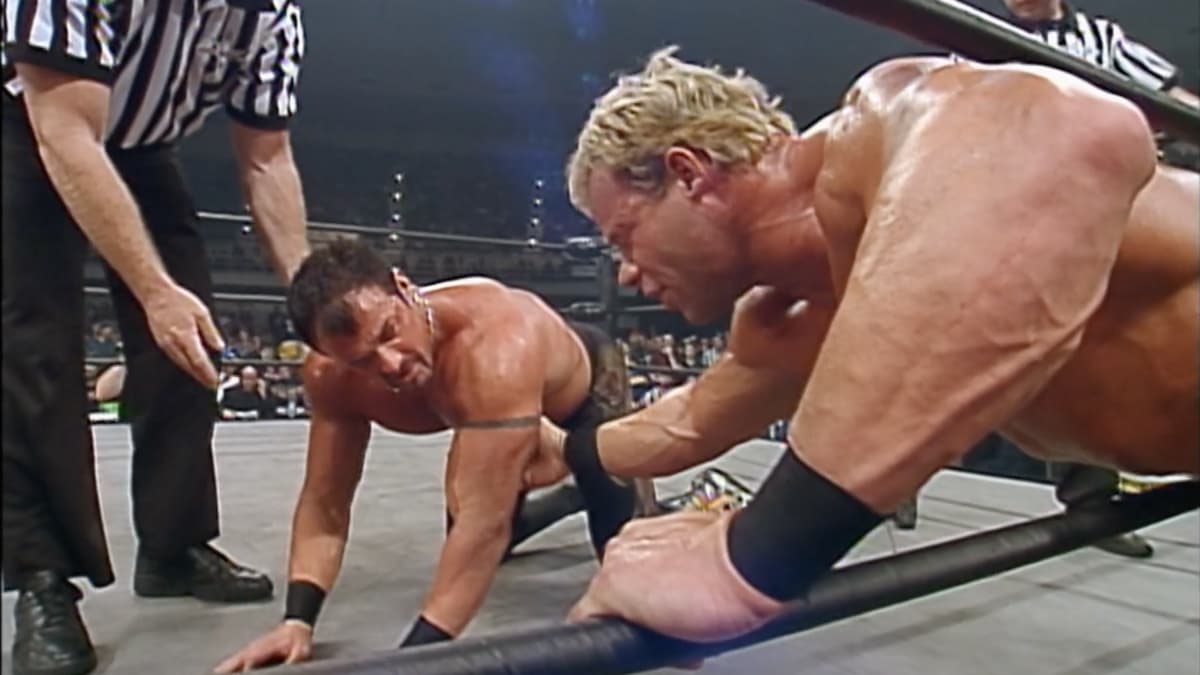
Days before Vince McMahon put pen to paper on the deal, WCW presented what turned out to be their final-ever pay-per-view, Greed. The biggest story coming out of the show, too, concerned Totally Buffed of Buff Bagwell and Lex Luger failing to capture the WCW World Tag Team Titles from The Natural Born Thrillers of Sean O’Haire and Chuck Palumbo.
After being told they were doing the job, Buff and Lex complained long and loud and stormed out of the building, just to go to the gym, but the manner of their exit had some worrying that they wouldn’t come back before bell time.
They did come back, but rather than follow the orders given to them that they put Palumbo and O’Haire over clean after a competitive eight-minute match, Totally Buffed decided to go into business for themselves and do a spot where they accidentally knocked each other out and then took O’Haire’s finish to lose the match in 54 seconds.
After the match, they completely oversold the effects of the move, basically telling the audience that it was all just a big joke.
Needless to say, wrestlers and agents alike were raging afterwards, though the general feeling was that the duo had just ruined whatever slim chance they had of being signed by WWF.
Eight days after Greed saw the final WCW broadcast, with Nitro emanating from Panama City, Florida. Prior to the show, Shane McMahon met with the WCW crew and essentially informed them that WWF had bought WCW and that some wrestlers would be picked up and some wouldn’t.
During that night’s Raw, Vince McMahon cut a promo in the middle of the ring where he gauged the response of fans to names from WCW’s roster. When he mentioned Buff Bagwell’s name, it received a big pop, which didn’t go unnoticed.
Bagwell wasn’t on the final Nitro, but he was backstage along with Lex Luger, and the pair were telling people that, no matter what, when push came to shove, they were big-time players and would get a job with WWF.
WWF’s plan initially had been to restart WCW as its own brand, but they quickly pivoted to the Invasion angle. With the likes of Goldberg, Sting, and Kevin Nash locked into guaranteed contracts with AOL Time Warner, WWF needed whatever star power they could get at a reasonable price if the storyline was going to work.
So, despite being high on the list of undesirables to start with, WWF’s stance towards Bagwell softened. The short-term extension Buff had signed with WCW was expiring soon, and even though there had been problems with his attitude in the recent past, he was still only 31 years old, had name value, and a marketable look. WWF also believed they could eliminate his bad habits.
John Laurinaitis, who had been working as a road agent in WCW and was picked up by Vince McMahon, went to bat for Bagwell, claiming that his unruly behaviour was down to the influence of Lex Luger and, without Luger around, Buff would be a changed person.
WWF actually wanted Buff to run interference during a match on the June 4 edition of Raw, but his contract wasn’t hashed out in time, and the spot ultimately went to Hugh Morrus, who, incidentally, was one of the wrestlers Bagwell had previously criticised for not having star potential.
A deal was ultimately reached, however, with Bagwell later noting that the money offered represented a significant pay cut compared to what he was making in WCW. He had to negotiate up from a $175,000 per year downside guarantee to $225,000, with added incentives based on performance.
Bagwell – who was living a lavish lifestyle and needed a steady income to make payments on his house, car and other expensive toys, many of which he had to sell – was confident that this deal would improve over time after he showed his value and became a key player for WWF.
Before stepping into a WWF ring on TV, Buff and the rest of the WCW crew had to report to WWF’s Trax training facility in Stamford, Connecticut, for some mandatory training sessions. This was to help them get used to the WWE ring, which was bigger and used real ropes instead of cables, as well as to shake off some of the ring rust accumulated after a three-month layoff.
Some of the WCW crew may not have been happy about having to go to the sessions, but with no other game in town and eager to make a good first impression, they did what they were told with a smile on their face.
Buff Bagwell did not show up with the same approach. Buff turned up late to every session, which he treated with contempt. Worse still, he got into a fight with Shane Helms, which started when he began belittling the WCW Cruiserweight Champion.
Per most accounts, Bagwell was ripping on Helms for being “too small” and, when Shane answered back with some witty remarks, Buff rocked him with a slap to the ear. Not one to back down from a fight, Helms launched a bottle of water he was using to nurse a sore shoulder right at Bagwell’s head, splitting him open.
Helms has since refuted Bagwell’s claim that the bottle was frozen, noting that he grabbed it from a fridge and it was a standard bottle. Most who witnessed the incident surmised that Buff got what he deserved for trying to pick on someone he greatly outweighed, with Helms later revealing that Fit Finlay bought him lunch that day as a reward for putting Bagwell in his place.
Bagwell needed approximately 20 stitches to close the wound on his head, but his attitude didn’t change as he showed up late to his first WWE house show booking. Buff Bagwell made his in-ring WWF debut at the show in Spokane, Washington, on July 1, 2001, losing to WCW World Heavyweight Champion Booker T in what was reportedly a good, solid match.
The next day, Bagwell showed up in Tacoma for Monday Night Raw, where he was booked to work with Booker T once again in the show’s main event. According to reports, Bagwell immediately took his shirt off upon entering the building and started walking around to make sure everyone got a good look at his physique, drawing ire and eye rolls.
Some WWE talent are on record as saying that Bagwell was acting aloof, wouldn’t shake people’s hands, and refused to dress in the locker room with everyone else. This garnered him more heat even before the disastrous Raw match with Booker, who had a bad feeling the bout would bomb.
Which it did, not because they had such an awful match. Bagwell looked sluggish and it wasn’t great, but it wasn’t a complete disaster as far as the work was concerned. It died a death primarily because WWF fans had been told for years that WCW wrestlers were inferior and Tacoma wasn’t exactly a WCW town, so they rejected it.
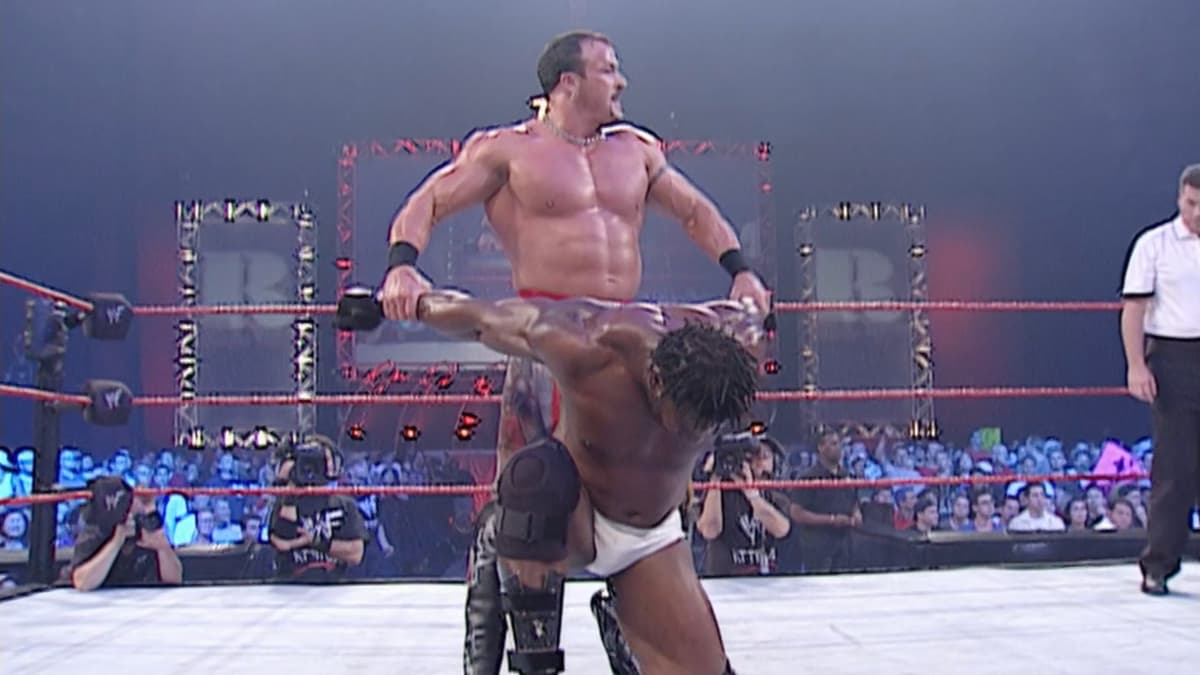
What was a WCW town, however, was Atlanta, Georgia, the location of the following week’s Raw. That WWF didn’t simply hold off and book the match for a week later has led many to believe it was set up to fail.
Bagwell certainly believed he was set up to fail as he was approached by Shane McMahon moments before walking through the curtain and told that he couldn’t, under any circumstances, look or talk directly into the camera, which had been a significant part of Buff’s act in WCW.
When Raw went off the air that night, there was a feeling that the match had been such a disaster it had killed WCW off as a viable standalone brand. Much of the blame was placed on Bagwell, who contended that it would have gotten a much better reaction if they had done the match in Atlanta instead.
The match wasn’t the worst of all-time or even close to it, but the perception was that it was an all-time stinker of a Raw main event and perception, in wrestling, is reality.
The next night at a SmackDown taping, still in Tacoma, Buff wasn’t booked for a match, but he did appear right at the end of the show participating in a gang-style beatdown of The Undertaker.
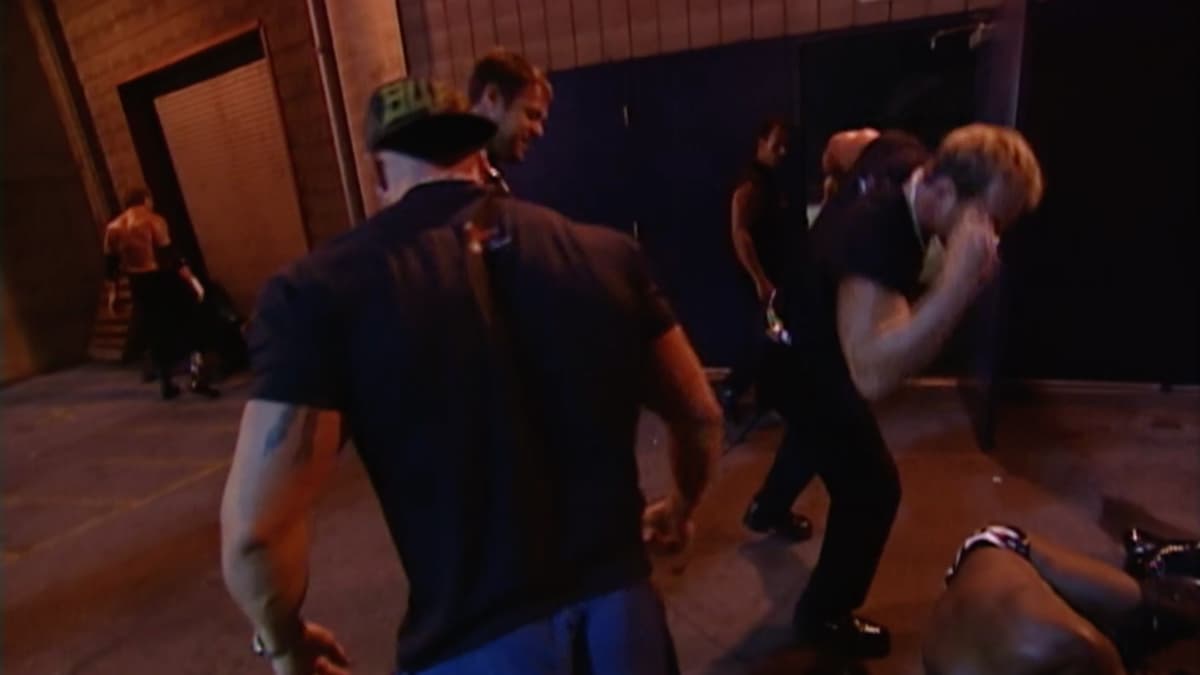
In a dark segment after the show, the WCW roster went to the ring to celebrate what they had just done to The Undertaker, which was the cue for a group of WWE mid-carders to hit the ring and run the invaders off. That was the case for everyone, except Buff Bagwell, who remained in the ring and received a beating from the APA and Hardcore Holly, ending with Bradshaw delivering a stiff clothesline and powerbomb before ‘The Stuff’ meekly rolled to the floor.
In the years since the incident, Bagwell has claimed that Bradshaw deliberately tried to end his career that night, which the former WWE Champion has denied, while reports have claimed that Bradshaw was ribbing Bagwell backstage and that someone punched a hole in his top hat.
Bradshaw may have denied trying to intentionally hurt Buff, but in his autobiography The Hardcore Truth, Holly openly admitted that he, Bradshaw and Simmons were sent to the ring on the instruction of WWF talent relations head Jim Ross to “beat the sh*t” out of Bagwell. It wouldn’t be the first, or the last time, that someone in power in WWF sanctioned an in-ring beating as a way to send a message to a talent they had an issue with.
Complaining of a neck injury afterwards, Bagwell had undergone neck surgery two years earlier after that terrifying in-ring accident while wrestling Rick Steiner on Thunder, Buff was taken off that weekend’s house shows in Charleston, South Carolina, and Augusta, Georgia, where he was replaced by Mark Jindrak in matches against Hugh Morrus.
When he showed up at the Philips Arena in Atlanta for Raw on July 7, Jim Ross informed Bagwell in a backstage meeting that the company were releasing him from his contract. Just like that, it was over. Buff Bagwell’s WWF run was done after around two weeks. There would be no second chances.
In Buff’s version of events, Ross told him to call them back in three months, by which point the heat on him would have died down and they would consider giving him another shot.
Bagwell – who quickly began accepting independent dates while continuing to get severance pay from WWE for 90 days – did call the company back a little over three months later and claimed that Ross gave him the “We’ll call you if we need you” response.
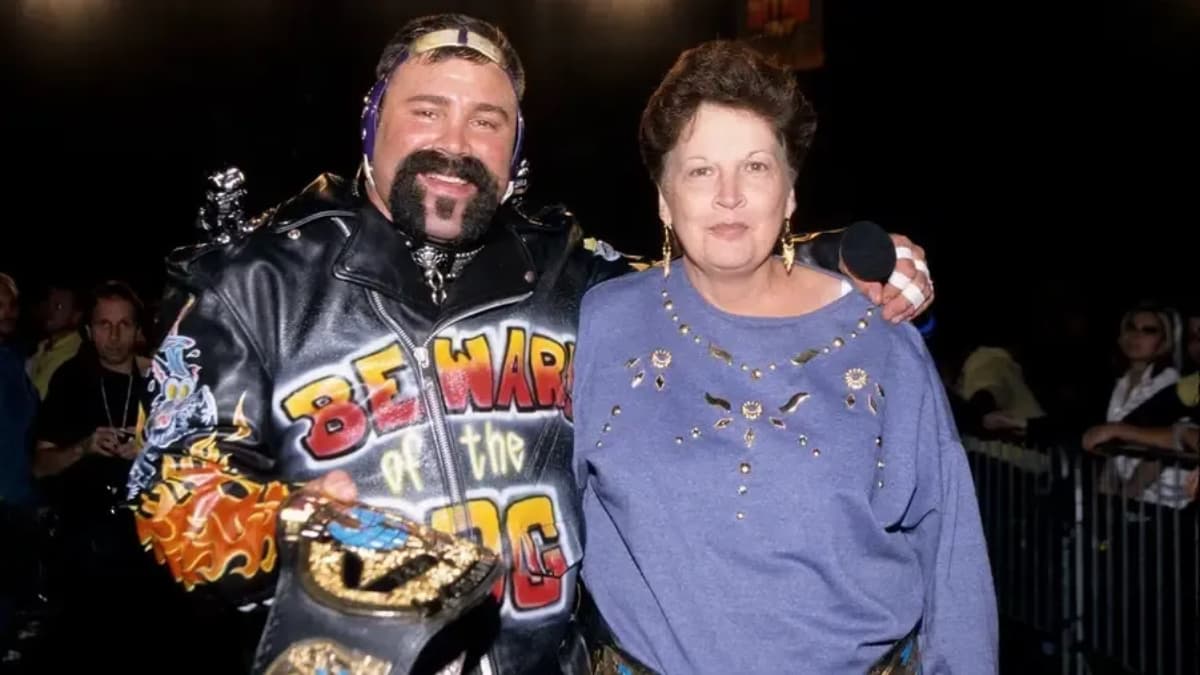
Buff Bagwell wasn’t the only member of the family on the phone to the World Wrestling Federation, however, as Buff’s mother, Judy Bagwell of THAT pole match, had been calling the WWF office on her son’s behalf.
Reports at the time suggested that Judy may have been contacting the talent relations department to complain about her son’s travel arrangements and to call in sick for him after the beating he took at the hands of the goon squad.
On the ‘Heatseekers’ episode of the Legends of Wrestling panel show, which aired on the WWE 24/7 channel back in the summer of 2007, Jim Ross explicitly stated that Judy Bagwell called and told him that Buff couldn’t work that weekend’s house shows due to a neck injury, but he would be at Raw on Monday.
In the decades since he was let go by WWE, Buff Bagwell has blamed Ross for ruining his career and perpetuating the story about his mother, making him a laughing stock within the industry. Bagwell also cited his WWE release as the start of a drastic downward spiral that led to a serious substance abuse problem and resultant issues with the law.
Ross, for his part, has said that he didn’t personally make the decision to fire Bagwell. That came directly from Vince McMahon, who felt Buff wasn’t fitting in and wasn’t worth the trouble of keeping around because the company likely wouldn’t get a significant return on their investment and Buff’s presence would only upset the dressing room.
Ross further stated that Judy calling the WWE office, while annoying, didn’t play a major role in WWF’s decision to release Bagwell. It was more the fight with Helms, habitually showing up late, and rubbing people the wrong way with his cocky attitude that convinced WWF to cut their losses.
Yet still, all this time later, Buff Bagwell remains confused as to why he was released by WWE after just one televised match. In his mind, one badly-received match and his mother maybe - or maybe not - making a phone call or two on his behalf wasn’t enough to cost him a dream job and block him from ever coming back.
Marcus Bagwell has been through some tough times in recent years, battling addiction and even having a leg amputated. It’s sometimes hard to remember what a dynamic and entertaining performer he was before his demons got the better of him, because in WCW he really did have ‘the stuff’.
Fortunately, thanks to some help from wrestling’s great rehabilitator, Diamond Dallas Page, Marcus Bagwell seems to be in a much better place today, physically, mentally and spiritually.
His in-ring career doesn’t deserve to be boiled down to one calamitous run, self-inflicted as it was. It does make for an intriguing tale, though, and likely served as a cautionary tale for anyone entering the WWE locker room after him.