Starrcade 1983: Vince McMahon's Failed Attempt To Pay Off Harley Race & Destroy The NWA
Vince McMahon's attempt to pay off Harley Race detailed

Nov 26, 2026

Vince McMahon's attempt to pay off Harley Race detailed
Nov 26, 2026
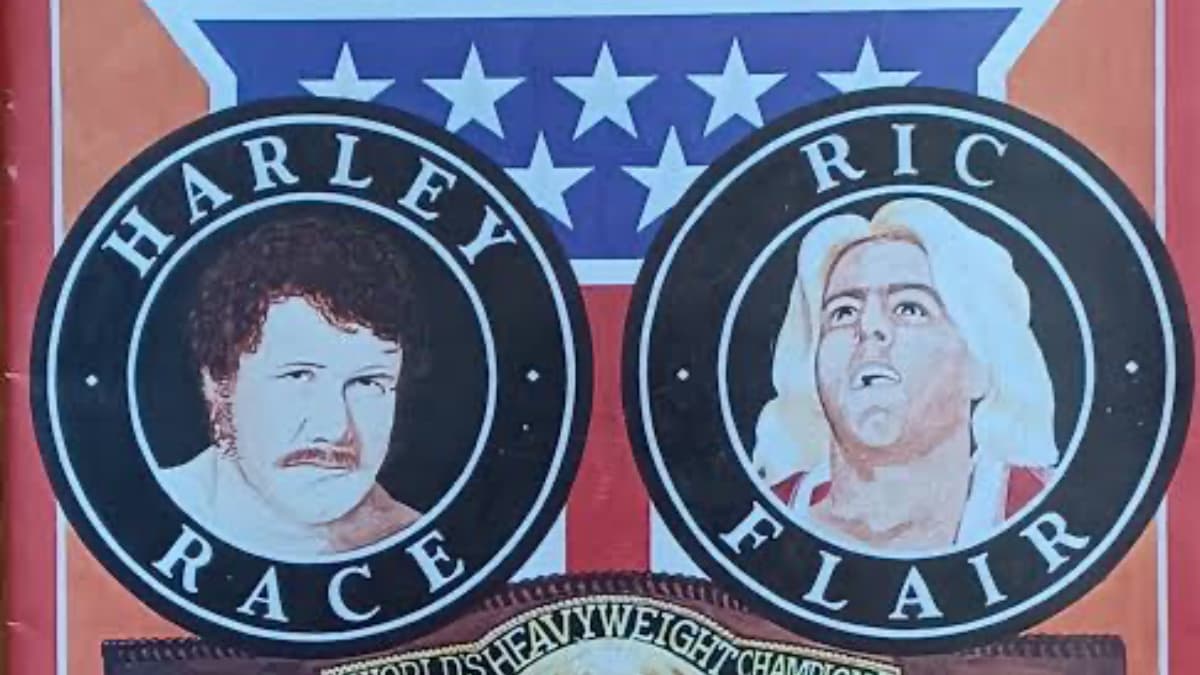
While the original Starrcade was hardly the first professional wrestling supercard, its name endured and the event became an annual destination show for Jim Crockett Promotions and later World Championship Wrestling.
For the first Starrcade in 1983, JCP intended to book a torch-passing moment and have NWA Worlds Heavyweight Champion Harley Race drop the 10 Pounds of Gold to the ace of the next generation in Ric Flair. Champion and challenger were each masters of their craft, and the months of build to the title fight had been impeccable, but none of that would stop Vince McMahon from attempting to scupper a major main event from his competition.
This is the story of Vince McMahon’s failed attempt to pay off Harley Race.
Sixteen months before the very first WrestleMania beamed out from Madison Square Garden, Jim Crockett Promotions booked the very first Starrcade, to be held on Thanksgiving night 1983 at the Greensboro Coliseum, and broadcast before a regional closed-circuit viewership. An eight-match card was assembled to showcase the top stars and most compelling angles from the territory, leading to a main event designed to set the table for the NWA's future.
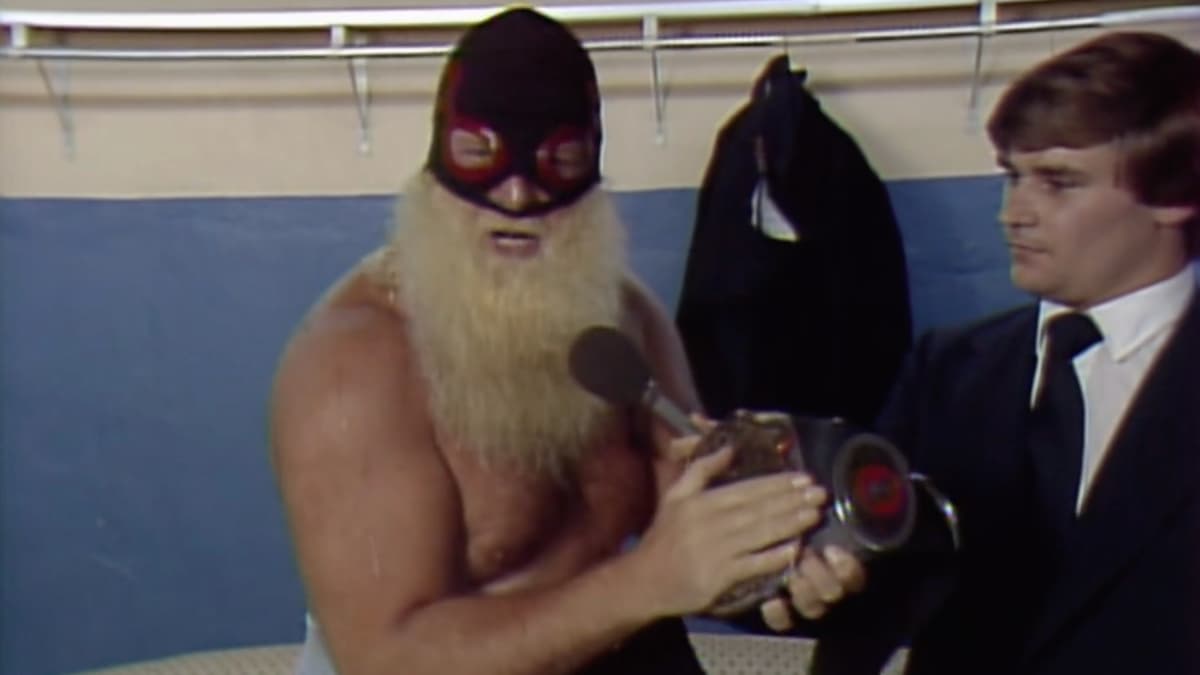
Among the three championship bouts was a Title vs. Mask showdown matching up the reviled television champion The Great Kabuki against the "mysterious" Charlie Brown From Outta Town, who was actually a barely disguised Jimmy Valiant. Kabuki had sent Valiant packing that summer in a Loser Leaves Match, leading to Valiant's return under the mask, which did nothing to hide his signature features, though the audience merrily played along with the gag. Kabuki wanted to prove that the hooded intruder was indeed The Boogie Woogie Man and wagered his belt against Brown's mask. If Brown were revealed to be the previously exiled Valiant, then Valiant would be suspended from the NWA for one year.
Also at stake were the NWA World Tag Team Titles, pitting champions Jack and Jerry Brisco against two men that they'd turned on earlier in the year, Ricky Steamboat and Jay Youngblood. That match would have former wrestling star and gridiron great Angelo Mosca as guest referee.
In what promised to be an especially brutal encounter, United States Champion Greg "The Hammer" Valentine was set to wage war with a man he'd battered in grisly fashion months earlier - "Rowdy" Roddy Piper. Valentine had won the championship from Piper that spring, after using the ring bell to badly gash Piper's ear, leading to a referee stoppage. This rematch wasn't for the championship, however, as all Piper had in his sights was revenge. Thus, the two were linked at their necks by a large, unforgiving chain, in what became a legendary Dog Collar Match.
While the undercard looked captivating enough, most of the focus was on the dramatic build-up to the evening's main event.
The NWA Worlds Heavyweight Title was up for grabs in Starrcade's finale. Champion Harley Race was an NWA institution by 1983 in his seventh reign as champion and he had recently passed his 40th birthday. For a challenger, Race was opposed by the very man he'd won the title from that June in 34-year-old Ric Flair.
The Nature Boy went on to have at least 17 world title reigns - possibly more - across his legendary career, but at this point, he was simply a one-time world champion, having defeated Dusty Rhodes for the gold in somewhat unceremonious fashion in September of 1981, and (if you don't count the three ensuing phantom title switches that occurred outside the mainland United States) went on to reign as NWA Champion for 21 months.
While Flair today is revered as an undisputed legend, an irreplaceable figure in pro wrestling lore, the truth is that his first world title run was far from a smashing success. The seemingly random title win over Rhodes kicked off a reign that didn't fully cement Flair as an unquestioned top guy. Not every promoter on the NWA Board of Directors was enamoured with the choice of Flair as champion, with some feeling he was too small or too unestablished to carry the torch. Fans in certain territories didn't warm to the upstart champion so easily back then, which Flair acknowledged, by later writing: "If (the fans) weren't interested in my opponent, we weren't going to draw money."
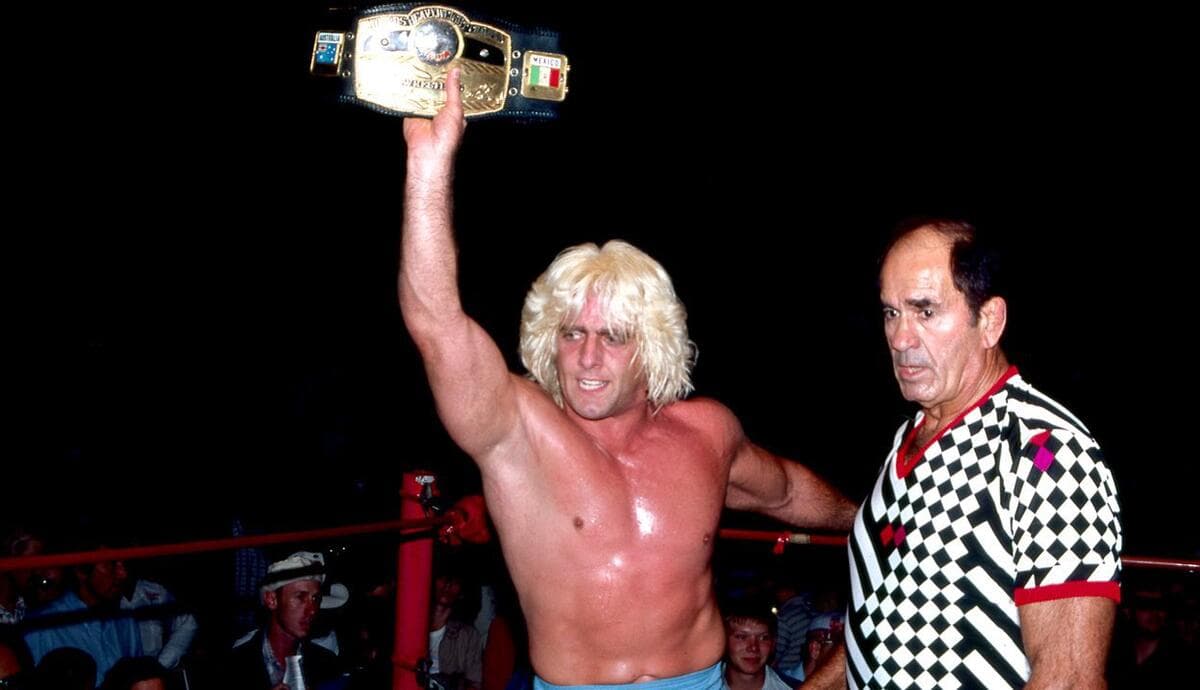
When Race defeated Flair for the championship in June 1983, the idea was to have Flair win it back in grand fashion. After months of build, Flair would defeat the long-presiding Race before as large of an audience as possible, firmly crystallising Flair as The Man.
There was apparently some reluctance at first from NWA board members who still didn't see it with Flair, and even from Race himself. Ultimately, everybody got on board with the plan, and the build to Starrcade kicked into high gear through the summer months.
In untelevised bouts throughout July, Flair proved unsuccessful in world title rematches, either defeating Race by disqualification or going to double count-outs with the grizzled stalwart. The idea with these narrow escapes was that Race feared Flair had his number, and eventually sought to have him taken out of the equation. With that, Race offered a $25,000 bounty to anyone who could eliminate Flair, putting the pesky challenger out of wrestling permanently.
In late August, Flair was battling Race for the championship and had the titleholder snared in his Figure Four Leglock. That was when he was suddenly attacked by two men in Dick Slater and Bob Orton, the latter of whom had been portrayed as one of Flair's best friends.
Money truly was the root of all evil as Slater and Orton waylaid Flair with a vicious spike piledriver, and the toll looked to be severe. Selling a serious neck injury from the attack, Flair subsequently retired from wrestling, spurring a jubilant Race to pay out the promised $25,000 to the assailants.
Weeks later, however, as Slater and Orton competed in tag team action, a neck brace-wearing Ric Flair stormed the ring, wielding a baseball bat. After running off both mercenaries, an irate, emotionally-charged Flair made it clear he wasn't done after all and promised Race he was coming for his precious championship.
The match was set for Starrcade; Harley Race vs. Ric Flair for the NWA Worlds Heavyweight Title inside a steel cage, with former NWA and AWA world champion Gene Kiniski presiding as guest referee.
Two years after Flair's first world title victory underwhelmed, fans were rabidly anticipating The Nature Boy reaching the top of the mountain once again and exacting brutal revenge en route to his triumph. Things weren’t quite that simple, however.
Less than three months before Starrcade, World Wrestling Federation owner Vince McMahon withdrew his territory from the National Wrestling Alliance, shortly after a highly-contentious row at the annual NWA convention in Las Vegas. Applying the term "territory" to the WWF at this point, however, was an exercise in antiquated thought, as McMahon had already begun making the moves to take the WWF national and dropping his allegiance to the NWA was but a formality.
In addition to promoting events outside of New York, the WWF began signing up the best NWA talents to work exclusively for Vince McMahon, with the likes of Paul Orndorff, David Schultz, Dick Murdoch, and Mean Gene Okerlund all heading to New York before 1983 came to an end.
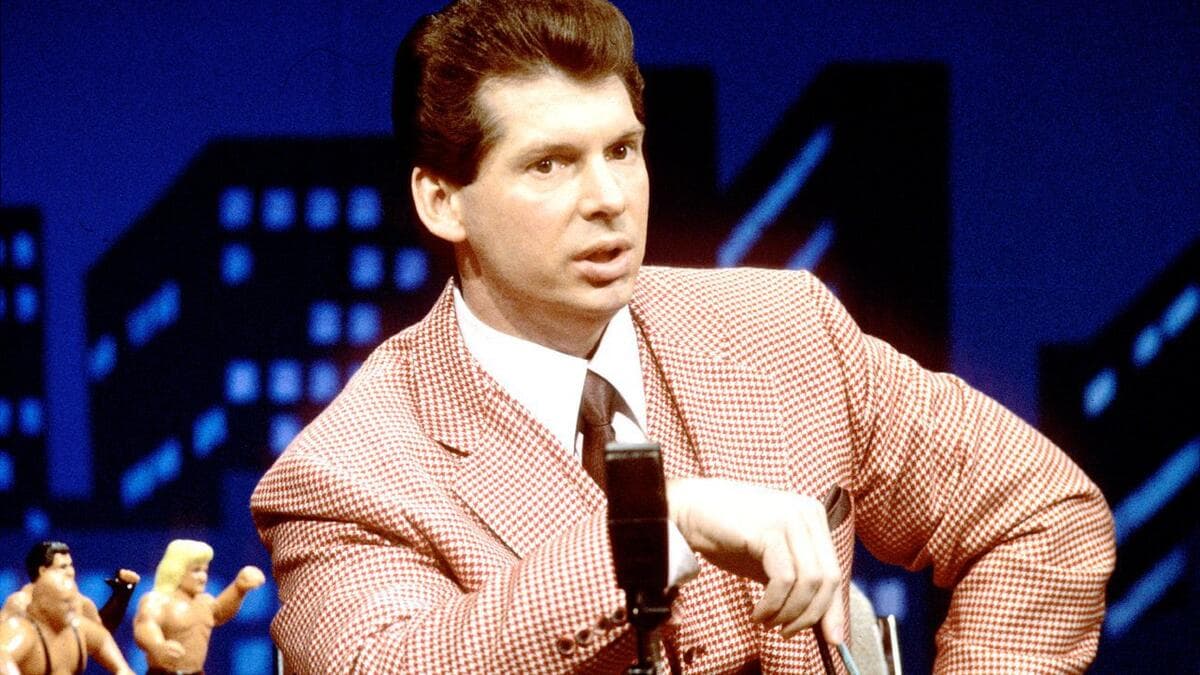
The biggest name to sign with the WWF, however, was Hulk Hogan, who began his rise to superstardom shortly before Christmas 1983. Hogan was even supposed to wrestle at Starrcade, teaming with Wahoo McDaniel in a match against Dick Slater and Bob Orton, according to promotional materials for the event.
Hogan didn't show for Starrcade, however, due to his participation on a tour for New Japan that same week. Some say that Hogan was never officially booked for the event, and that his appearance in promotional materials was premature, but no matter – he wasn't there and was replaced in the match by Mark Youngblood.
While Hogan was absent, Vince McMahon had signed on to keeping the NWA Worlds Heavyweight Champion away from the Greensboro Coliseum. At some point amid a battery of title defences that autumn throughout All Japan and the Florida and Central States territories, Race was summoned to New York to meet with Vince McMahon himself. It didn't take long for McMahon to lay out his grand offer; if Race skipped Starrcade and brought the NWA Worlds Heavyweight Title to the WWF, McMahon would pay him $250,000.
As Dave Meltzer later wrote, the plan was for Race to quickly drop the title to the inbound Hogan, who would then win the WWF Title, unifying the two belts of considerable lineage. It would have been a devastating blow to the NWA and a masterful gain on the part of McMahon.
So much was riding on Race's presence in Greensboro on Thanksgiving night. To legitimise Flair, he needed to beat Race inside that steel cage. There could always be other ways of crowning a new champion, but if Flair didn't win it from the champion himself, the man he'd been gunning for for the last five months, the effect would have been far less profound.
As for the NWA themselves, losing their champion to somebody positioned as an aggressive rival would have been a wound that didn't heal easily, to say the least.
Though the offer was substantial, and Race - at 40 years of age - was in his twilight as a main eventer, he turned down McMahon's offer.
As the story goes, the meeting between the two had been very cordial, and Race's refusal of McMahon's offer was firm but polite. Some versions of the story claim that both men went to use the bathroom at the same time, and there, Race used the lavatory mirror to illustrate his point of view.
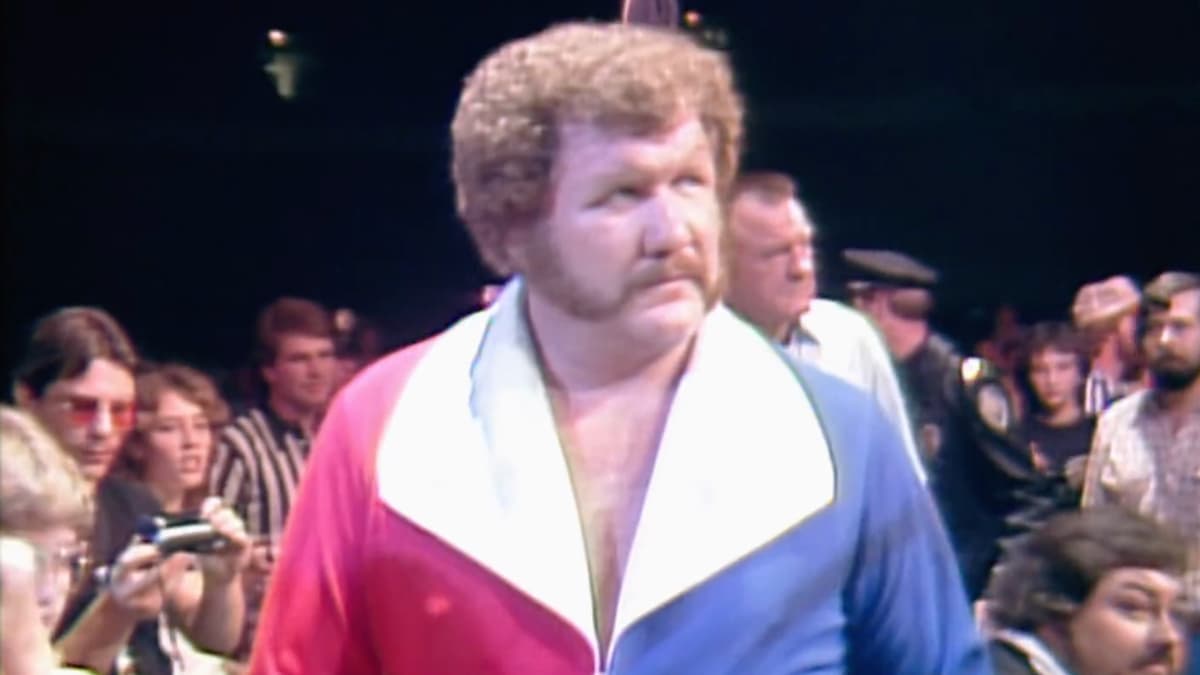
When Race asked Vince what he saw in the mirror, McMahon said he saw Race's reflection. The NWA Champion went on to say that tomorrow morning, Race was going to have to get up and look at that same reflection, which told McMahon all he needed to know about Harley Race's principles. Race also reasoned that he couldn't turn his back on the men who allowed him to be a world champion seven times to that point, nor his business partners in the Kansas City and St. Louis territories.
While most accounts of the meeting claim that Race and McMahon had been nothing but respectful to one another, there's another version that paints things in a different light.
Meltzer went on to write in a 2019 obituary of Race: "Whether true or not, Race claimed that after he turned McMahon down in a meeting inside a public bathroom, that McMahon was so furious he attacked him from behind. Race claimed he quickly reversed things and it ended quickly. Once McMahon became so powerful and nobody wanted to say anything about him that might make him mad, since people were always looking for that last paycheck, Race stopped telling that part of the story, although when asked, would never deny the story either."
Subsequently, Race did what was expected of him, travelling to Greensboro to put over Flair in the title bout. Flair contends that the world champion didn't arrive until 5 pm on show day and that there was a palpable nervousness in the locker room until he turned up. Whether it was because his meeting with Vince in New York was well-known isn't clear.
Flair also added that Crockett footed Race an extra $25,000 for doing the favour, which Flair didn’t begrudge Race for taking. As Flair later wrote, "He ended up with an extra twenty-five grand, and he was still Harley Race."
The two went on to have a battle for the ages, which Race felt was only hampered by the clumsiness and poor positioning of referee Kiniski. In the end, the bloody encounter ended with the 34-year-old challenger catching Race with a diving body press to win his second world title.
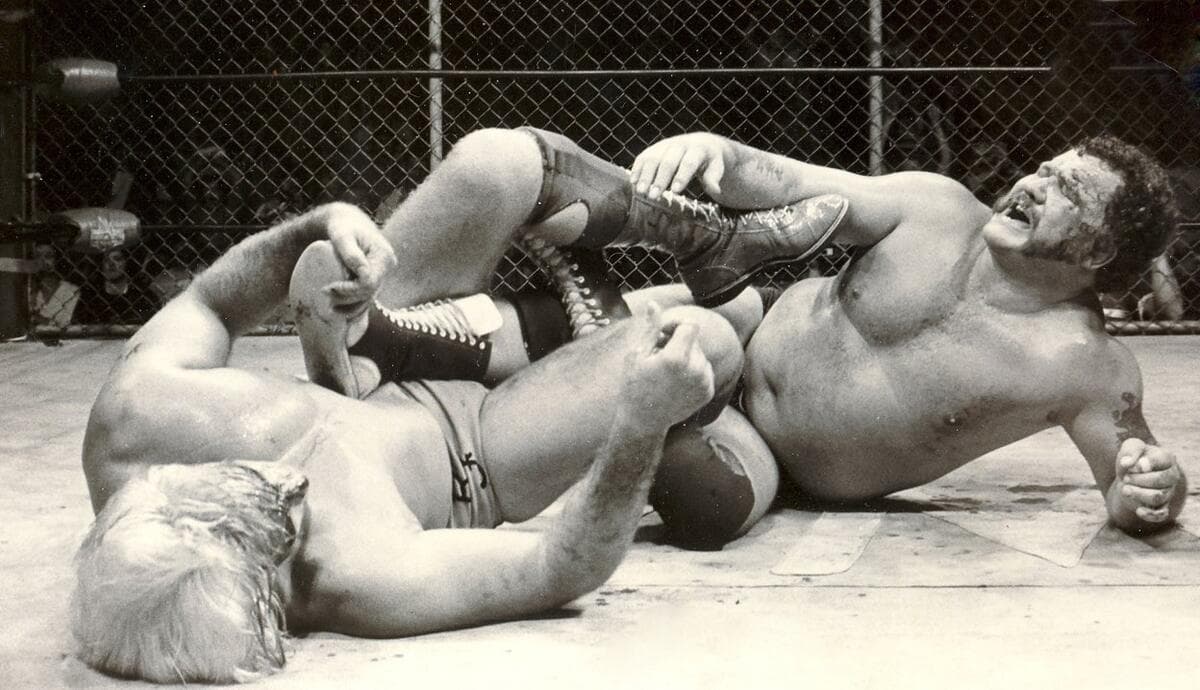
The finish concluded a night of babyfaces going over in all of the marquee matches, beginning the Starrcade chronology on a high note. With over 15,000 fans accounting for a $500,000 gate in Greensboro, and almost $500,000 in receipts from the closed-circuit viewings, Starrcade 1983 couldn't be considered anything but a rousing success.
With Flair now on top of the territory, Race bowed out of the Carolinas. He remained active throughout 1984, though many of his matches came in territories closer to home.
Race reigned one more time as NWA Worlds Heavyweight Champion, but most fans never saw this title win. He defeated Flair for the gold in New Zealand in March 1984, before ceding it back to Flair three nights later in Singapore. Neither title change was formally acknowledged until sometime later.
Two years later, Race joined the WWF. Now 43, he took on the gimmick of purple-clad nobility, becoming "The King" Harley Race. Though not Race's greatest run in the sport, his WWF run was still rather prolific, working with the likes of The Junkyard Dog, Hacksaw Jim Duggan, and Hulk Hogan, before leaving in early 1989. After a brief run in the now Ted Turner-owned WCW, Race wrestled his final match in 1990.
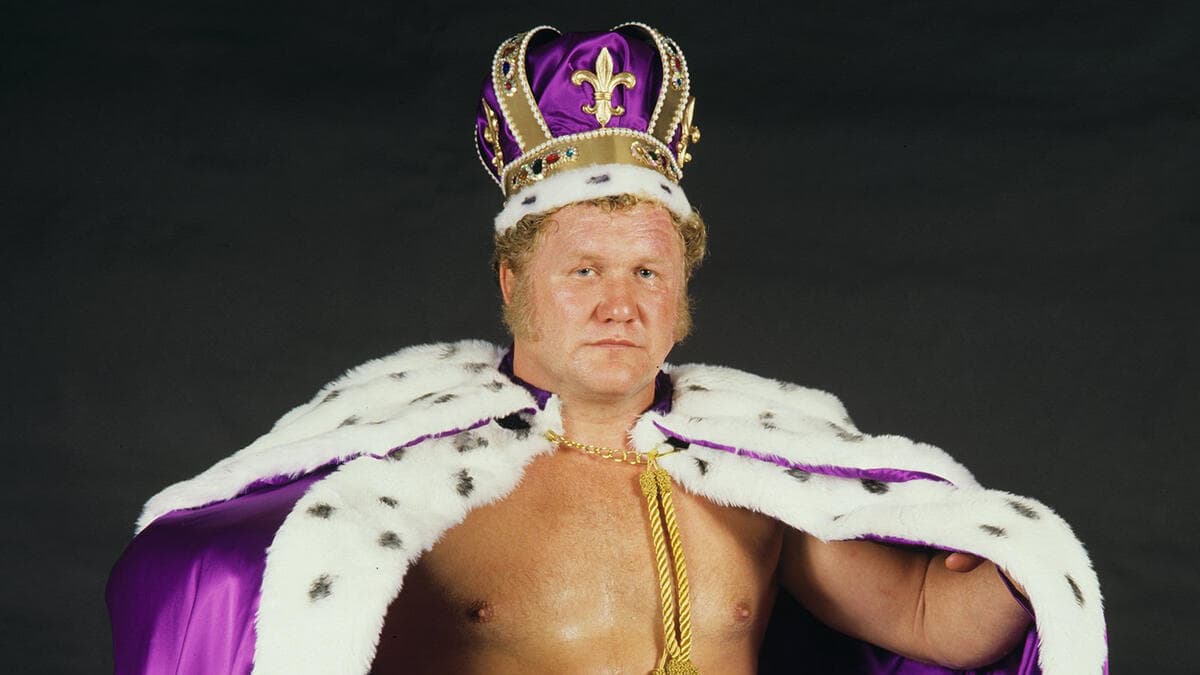
Harley believed his refusal to take Vince's offer, while displeasing to McMahon at the time, actually put himself into good standing with the WWF boss, later saying: "Over the whole thing, I think it gave him a lot more respect for me as a person - not in the ring, but just as a person. He knew he could trust me and he knew that… even if we were doing this with his organisation, I was not going to double cross the people that had put all of this trust in me."
Though the two sometimes found themselves at odds in a highly contentious business, the respect between Vince McMahon and Harley Race was quite apparent. Shortly before Race's death in 2019 at the age of 76, the ailing legend was in a hospital in Atlanta and needed to be transferred via Med Flight back to St. Louis - however, Medicare did not cover the costs of the trip. According to Race protege Trevor Murdoch, McMahon stepped in and paid for the flight in full to ensure Race made it home shortly before he passed.
At the time of Harley Race's death, the word "respect" appeared in an innumerable amount of tributes. His decades of service to the professional wrestling industry, his rare toughness, and his unwavering integrity were fondly recalled by peers, promoters, students, and fans alike. Finding an individual who doesn't respect Harley Race would be harder than finding a thousand that do. A story like the Starrcade 1983 dilemma seems to best personify Harley Race, as a man who gives his word, and then keeps it.